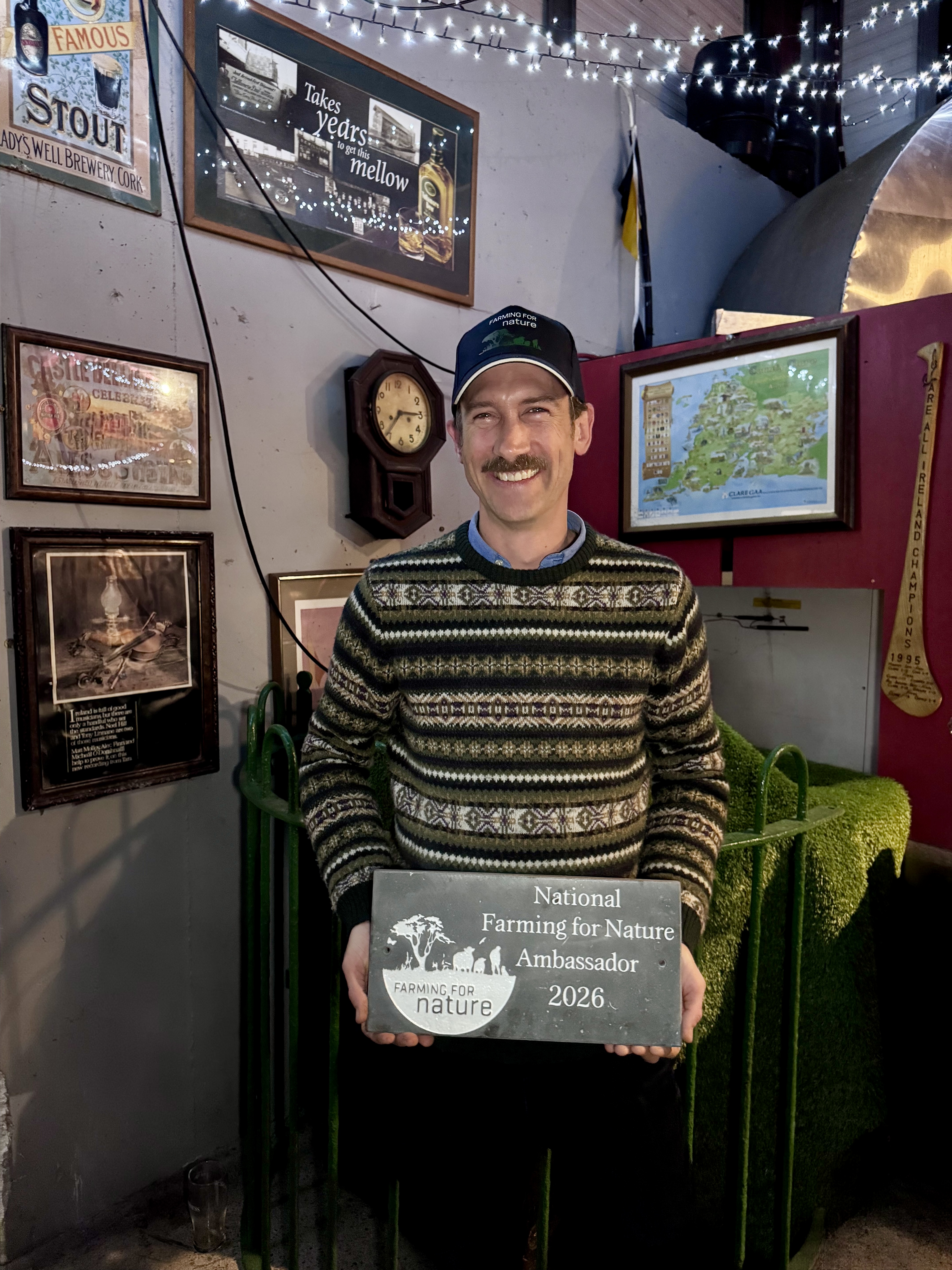
Will Gabbett
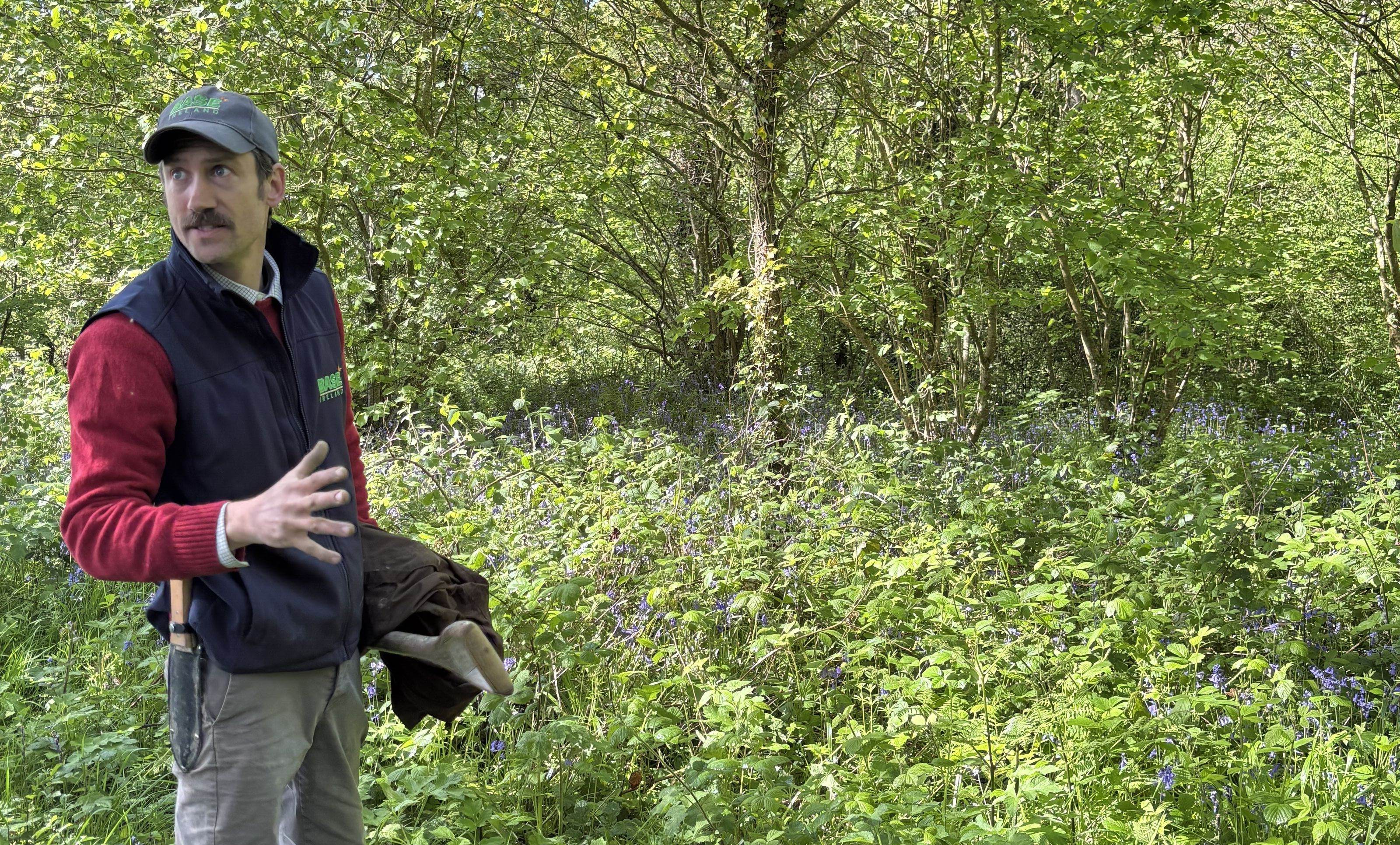
Will Gabbett farms a long-established family estate in Co. Kilkenny. The land has been passed down through the generations for roughly 400 years, and this is something that influences greatly how Will manages the farm - "I very much feel like a part of the generational stewardship of this estate, and I want to pass it on in better nick that I received it." The farm is approximately 400 acres. Currently 200 acres is in cereal production, 100 acres is woodland, and the remaining 100 acres is rented to a neighbour. Will also manages additional forestry holdings in Co. Roscommon and Tipperary.
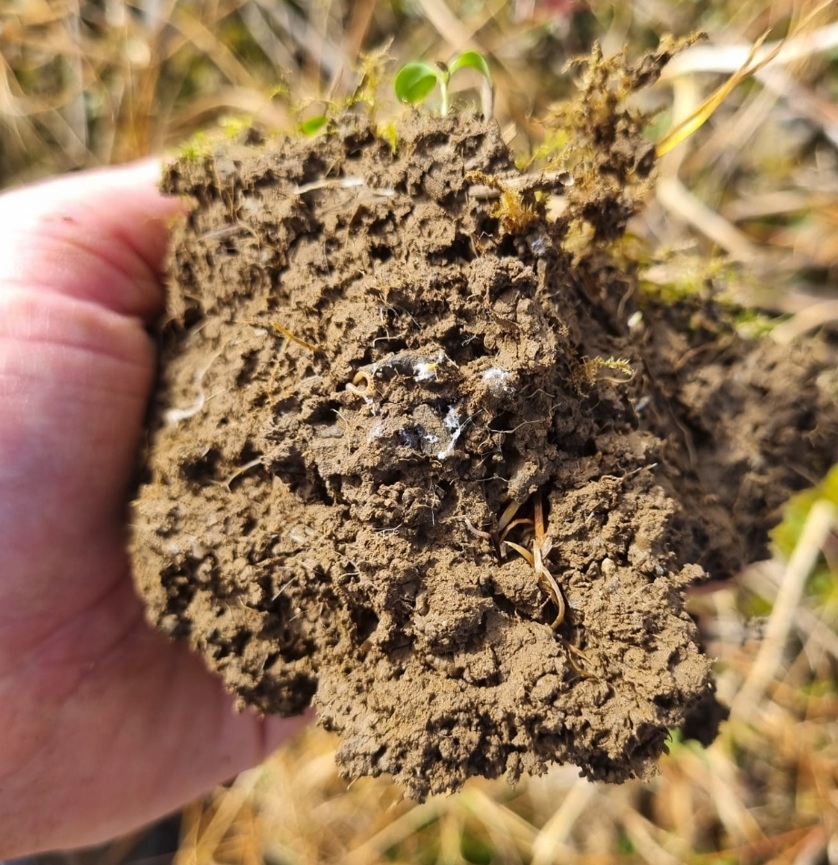
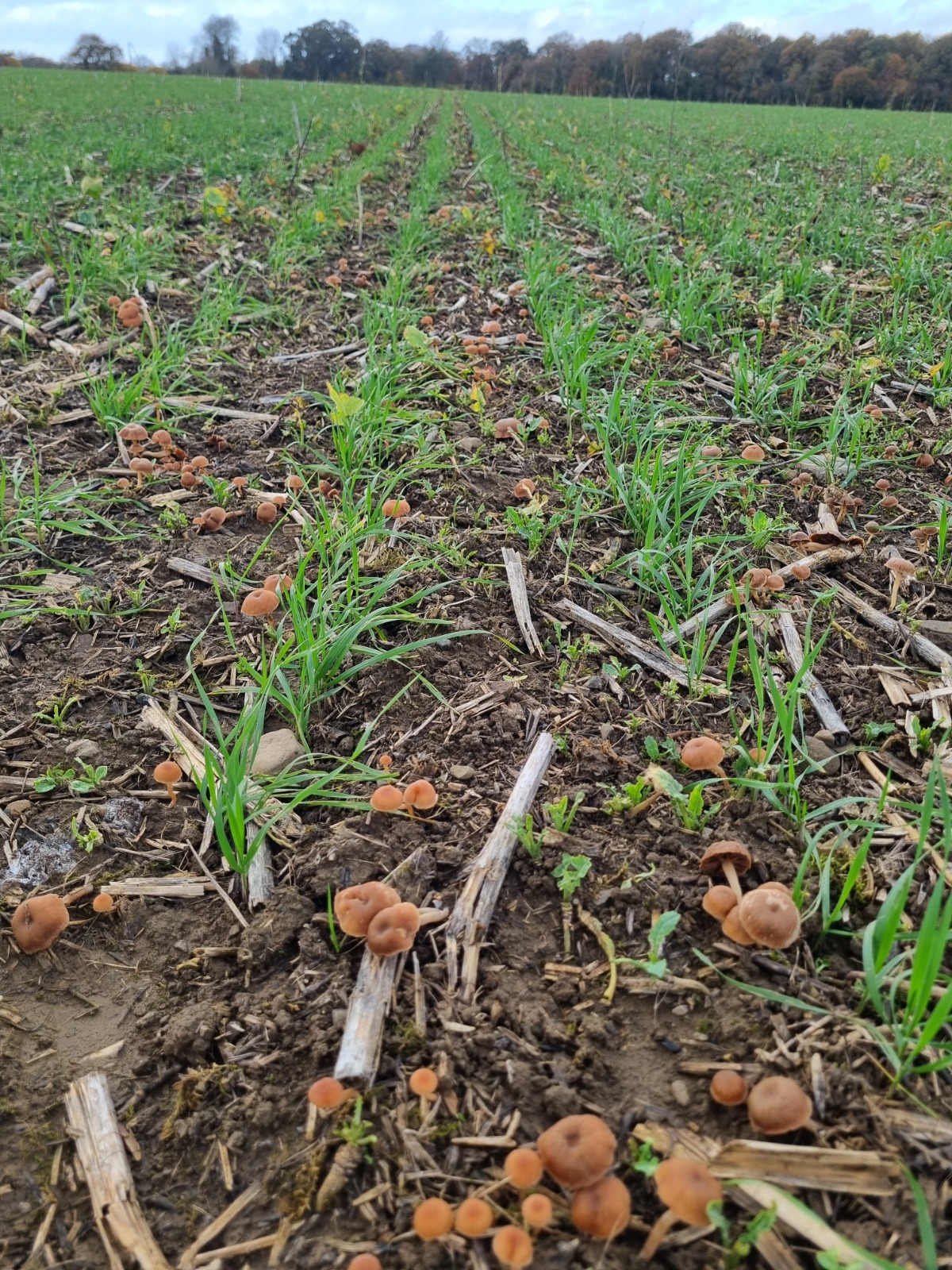
The farming system centres on regenerative tillage principles. Reduced cultivation, cover cropping, diverse rotations, keeping a living root system in the ground at all times, minimising chemical inputs and using biological inputs where possible, all aim to build soil health and fertility while simultaneously lowering costs and external inputs. One of the biggest wins for Will on his farm has been the use of foliar based fertilizer which he usually sprays at night directly on the leaf of the crop. He has managed to reduce his fertiliser bill by 50% by increasing the efficiencies of how and when he applies fertiliser. As well as growing typical cereal crops and beans on the farm, Will grows grows a mixed multi-strain wheat variety and a heritage wheat, spelt, which he sells to a local mill where it is used in brown bread production.
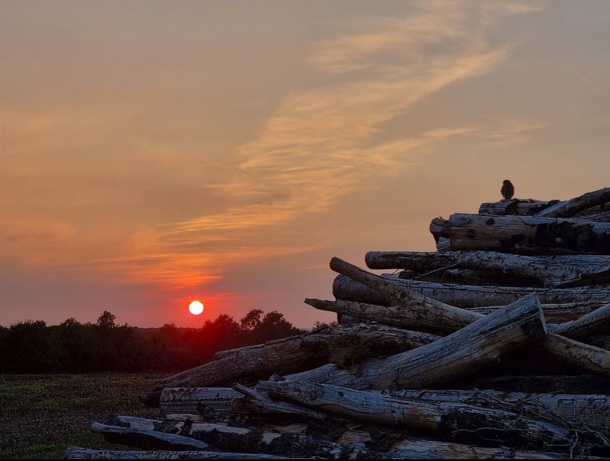
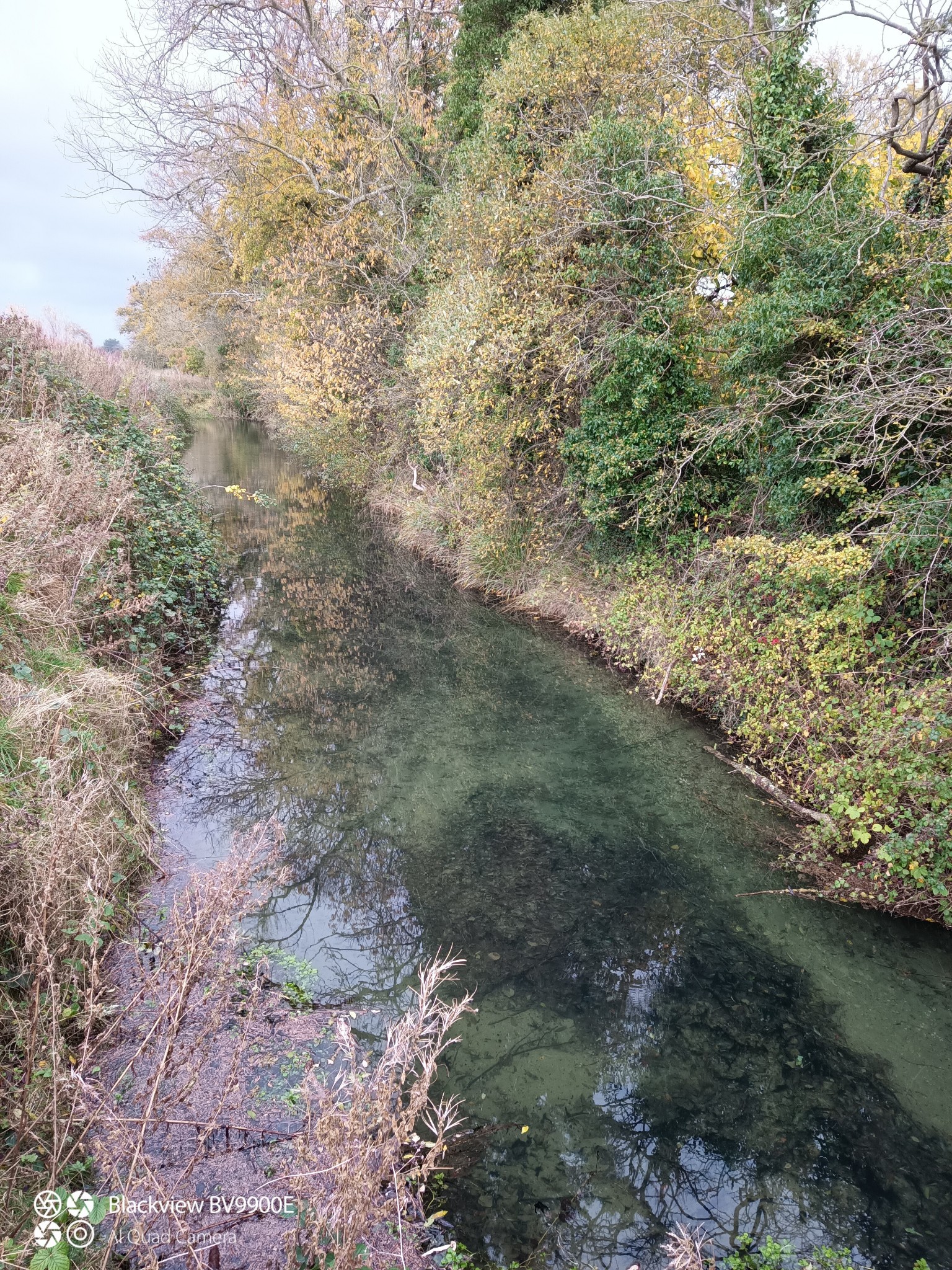
100 acres of the farm is under ancient native woodland and Will believes that the biodiversity from this woodland spills out into all other areas of the farm. Birdlife in particular is abundant with breeding skylarks, barn owls and kestrels on the farm, as well as an abundance of snipe, woodcock, linnets, redpolls, red squirrel, badgers and pine martin. Pea clams (indicators of water purity) are found in the extended drains that capture the clear runoff water from the farm land. While financial pressures remain very challenging within Ireland’s tillage sector, Will remains committed to farming in a way that balances productivity, environmental care and long-term land stewardship.
Nomination (Kim McCall, FFN Ambassador):
I have known Will Gabbett for a number of years, in my opinion he ticks all the boxes to be a farming For Nature ambassador. He is an excellent communicator and has an evolving story to tell on soil health, biodiversity, woodlands and regenerative agriculture.
He is a farmer and woodland manager based near Callan in co. Kilkenny. He runs a 300ac farm growing crops, Christmas trees, willow and some grassland, along with about of 100ac ancient and native woodlands. He also has a small firewood and wood chipping business and sells the prime stems as sawlog or to specific high-end projects such as whiskey barrels.
His farm is run using regenerative agricultural practices. By reducing artificial fertilizer and inputs, cover cropping, diverse crop rotation and reduced/no-tillage he has seen very positive changes in the biodiversity and soil health. His father sold the plough in 2001 and they had been running a min-till system until 2019 when he made the conversion to regenerative agriculture after his first attendance to Biofarm in 2018. Hearing Dr. Christine Jones (amongst others) speak about soil life and how we as farmers have such a huge effect on this, both in a positive and negative sense. It was a light bulb moment for him and he needed to try this for himself. He had been practicing a no-dig system of gardening for 4 years and had seen the effect it had on a small scale and until that moment he had never thought to apply those similar principles to the farm. One of the biggest “wins” has been the use of foliar based fertilizer which he usually sprays at night directly on the leaf of the crop (bypassing the damaging effects it has on the soil), which is when he meets plenty of woodcock and snipe and he often comes across large numbers of herons feeding on worms. Skylarks are back nesting in the fields after a sabbatical of 30years. It’s the volume of wildlife that he now sees that is eye opening. He has several pairs of barn owls and a pair of kestrels breeding successfully here every year, which gives a good indication of the foundations of life that they need to breed. They have plenty of red squirrels and pine martens and the occasional peregrine and an overwinter merlin. Their water runs clear off their fields after large rain events, which they allow to settle in extended catchment drains which are full of pea clams (indicators of water purity) and they’ve even seen a kingfisher visiting.
His family has been farming here for about 400 years, so he certainly feels like more of a caretaker for the time he is here. Ultimately, he wants to pass this on to the next generation in an improved environmental and ecological condition, and with the help of like-minded people and the move away from a conventional Ag system, he feels like he is well on his way to achieving that.