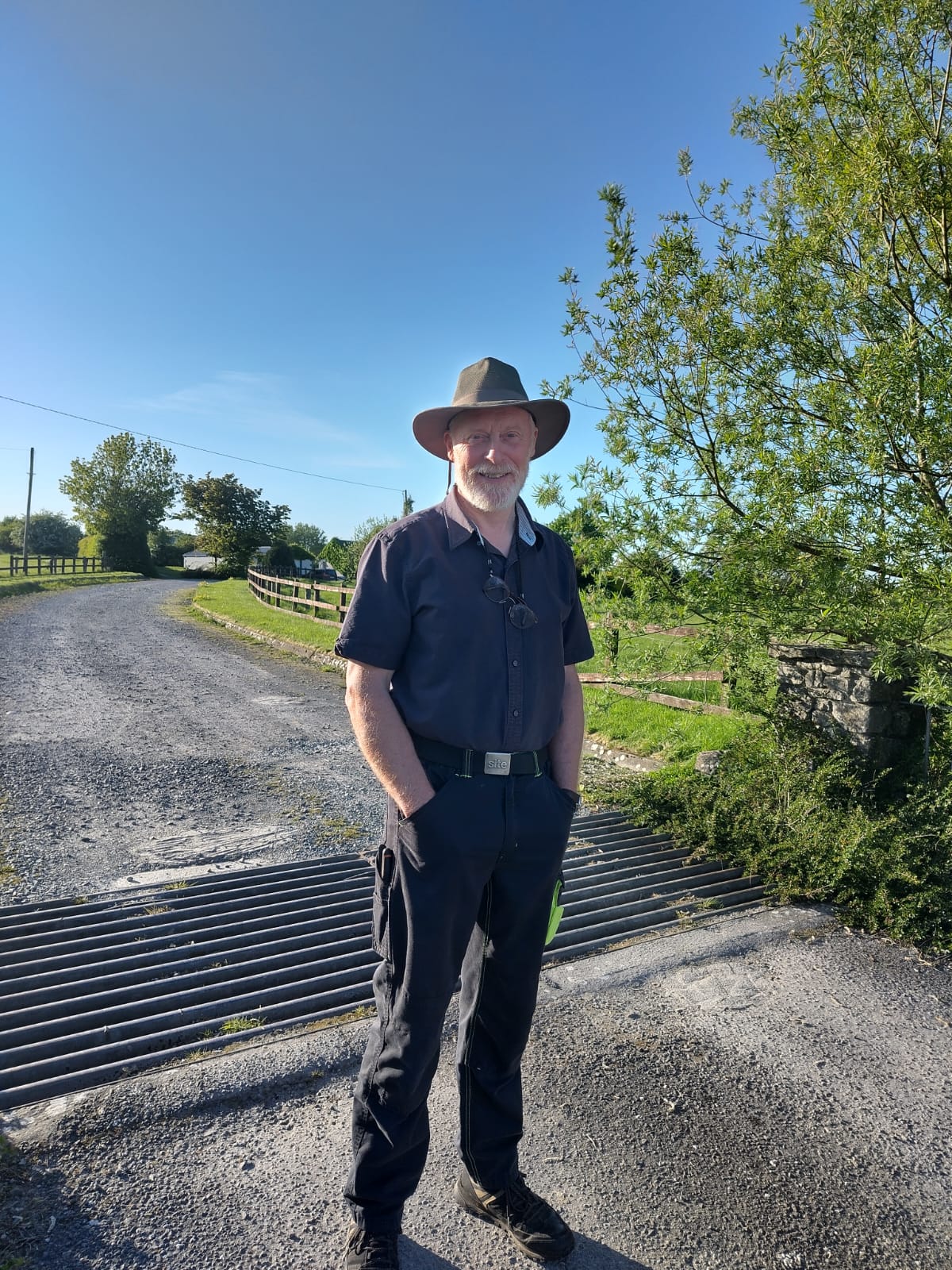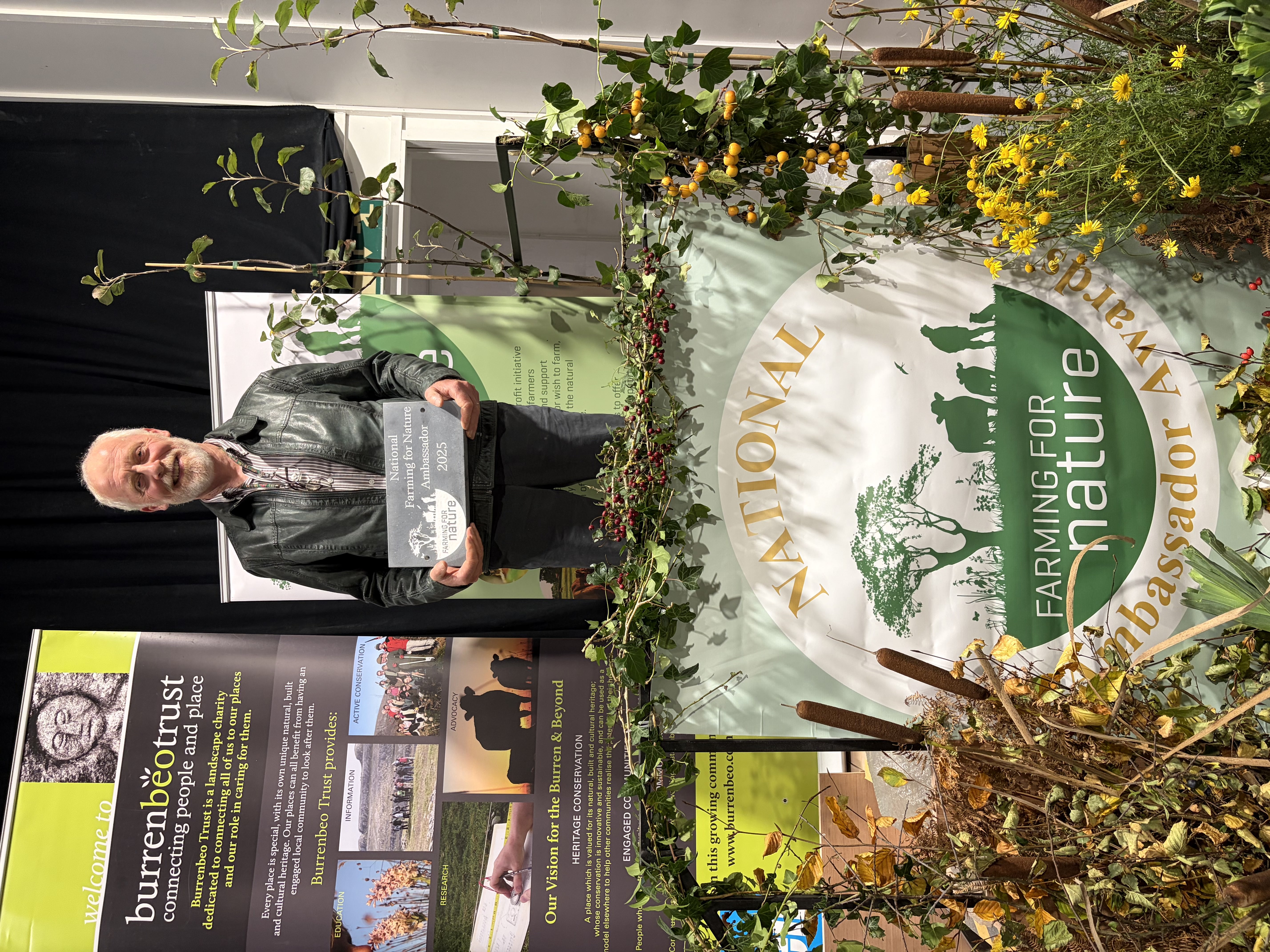
Seán Butler
Location: Brideswell, Co. Roscommon
Farm Size: 34 hectares
Enterprise Type: Regenerative suckler beef, sheep shearer
Seán Butler is a pioneering regenerative farmer working on dry limestone soil in Ireland. Farming since 1976, Seán transitioned from intensive agriculture to organic practices in 2001 and now leads the way in regenerative farming - restoring soil, supporting biodiversity, and building climate resilience.
How Did Seán Transition from Conventional to Regenerative Farming?
Seán began his career with traditional, high-intensity methods. But over time, he witnessed the environmental cost, not just to his land, but to the future of farming itself.
“What I thought it meant to be a good farmer meant there was environmental collateral damage. We always need to find another bit of land once we’ve depleted the first bit.”
This realization sparked a transformation. Seán converted his farm to certified organic production and, more recently, adopted regenerative farming practices. Now in its fourth year of regeneration, his land is flourishing, demonstrating that food can be produced while restoring ecosystems.
What Does Regenerative Agriculture Look Like on Seán's Farm?
Seán operates a fully organic beef farm that integrates livestock with nature. He maintains:
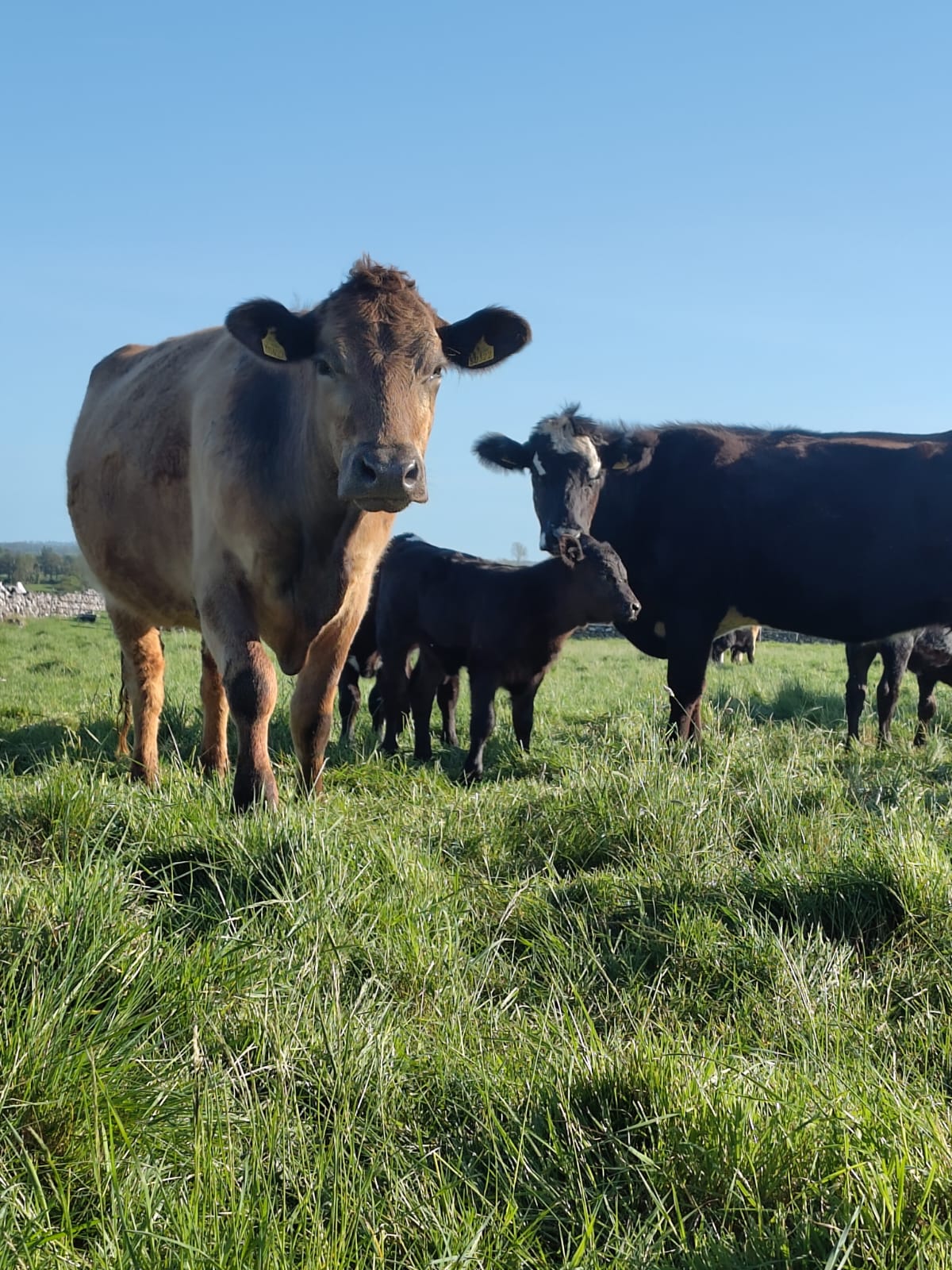
A small suckler herd of 12 cows, including Angus, Hereford crosses, and Moiled breeds
A ¾ Stabiliser bull for breeding
A multi-paddock rotational grazing system that allows soil and grasses time to recover
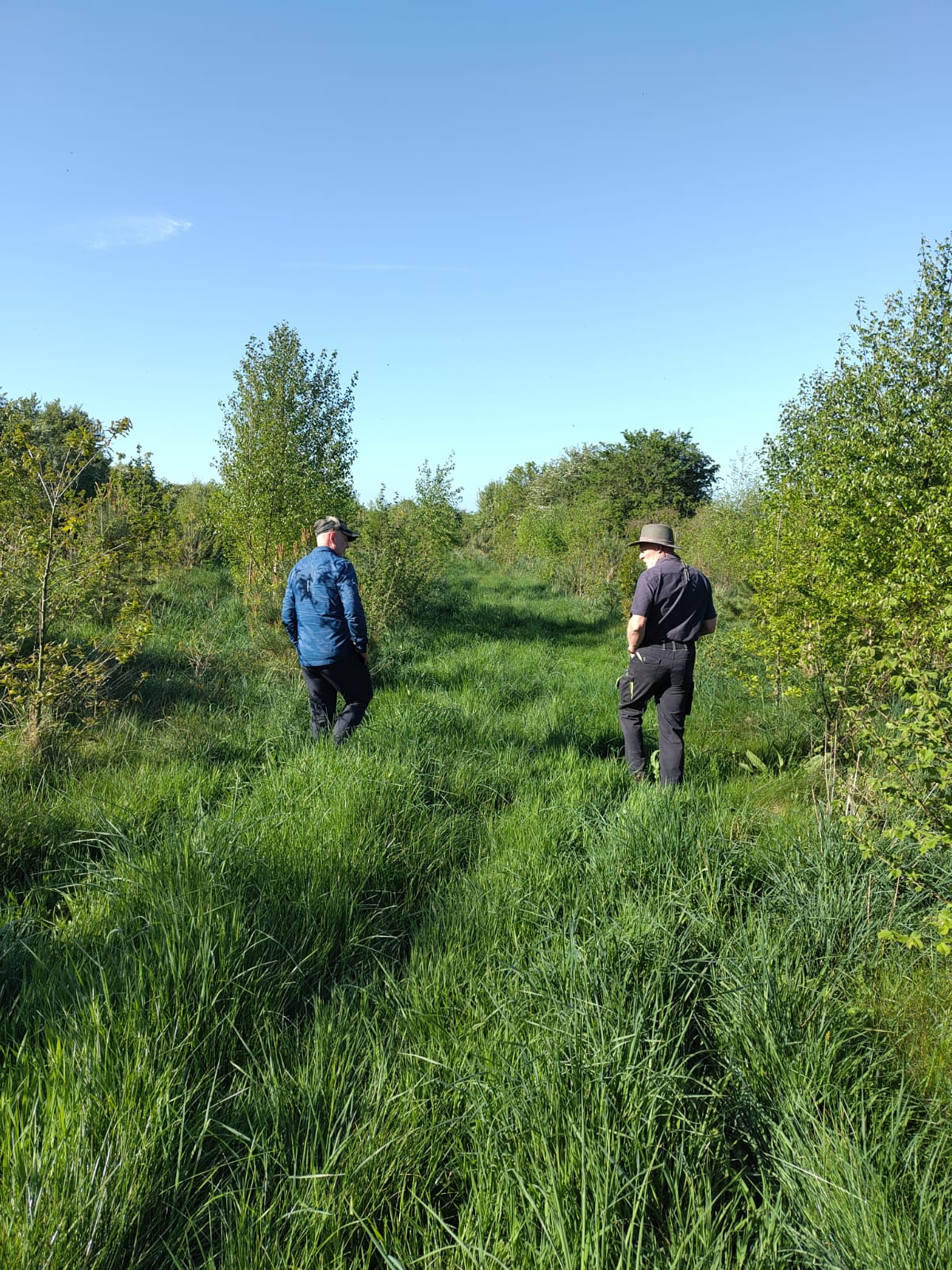
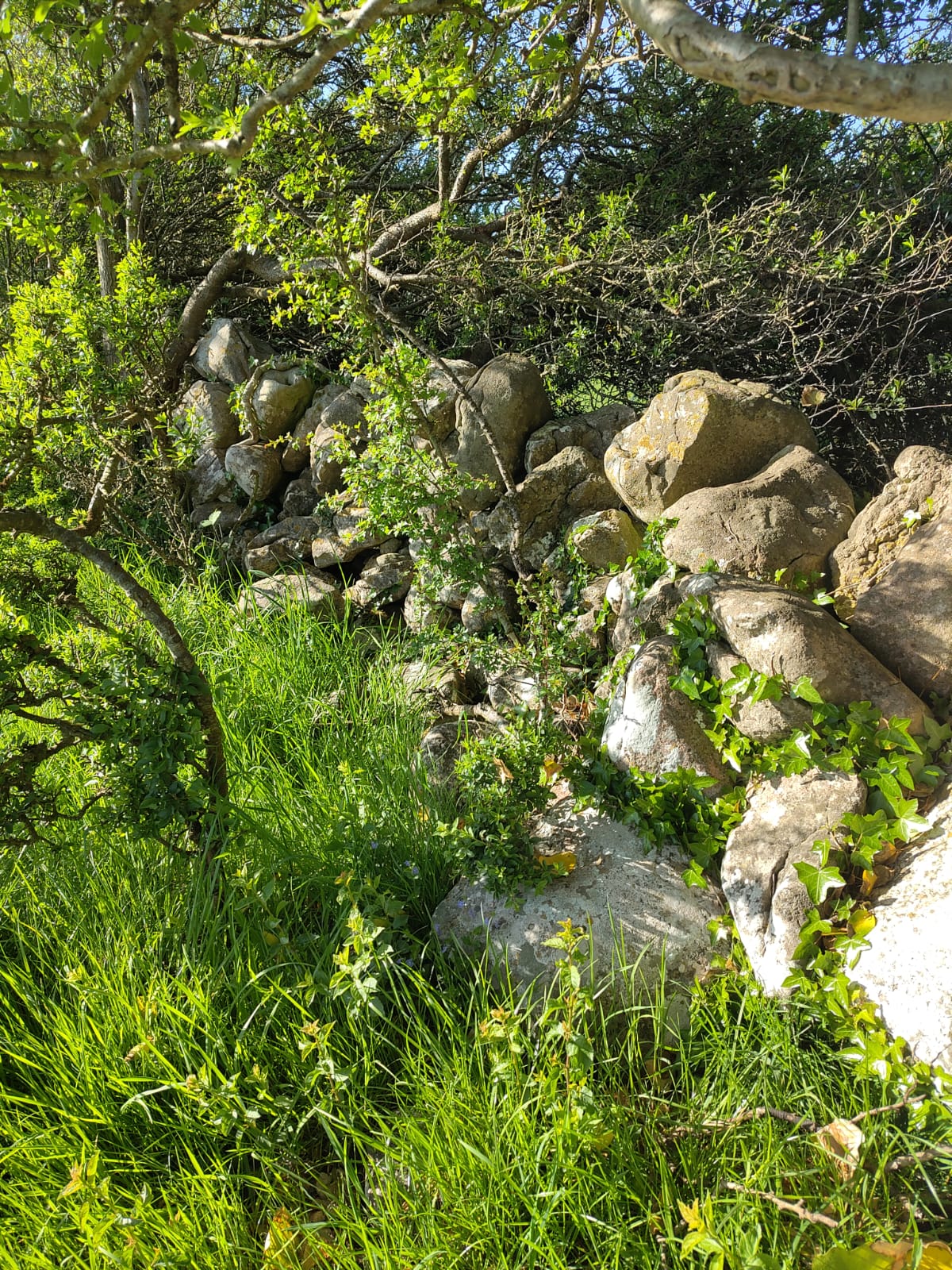
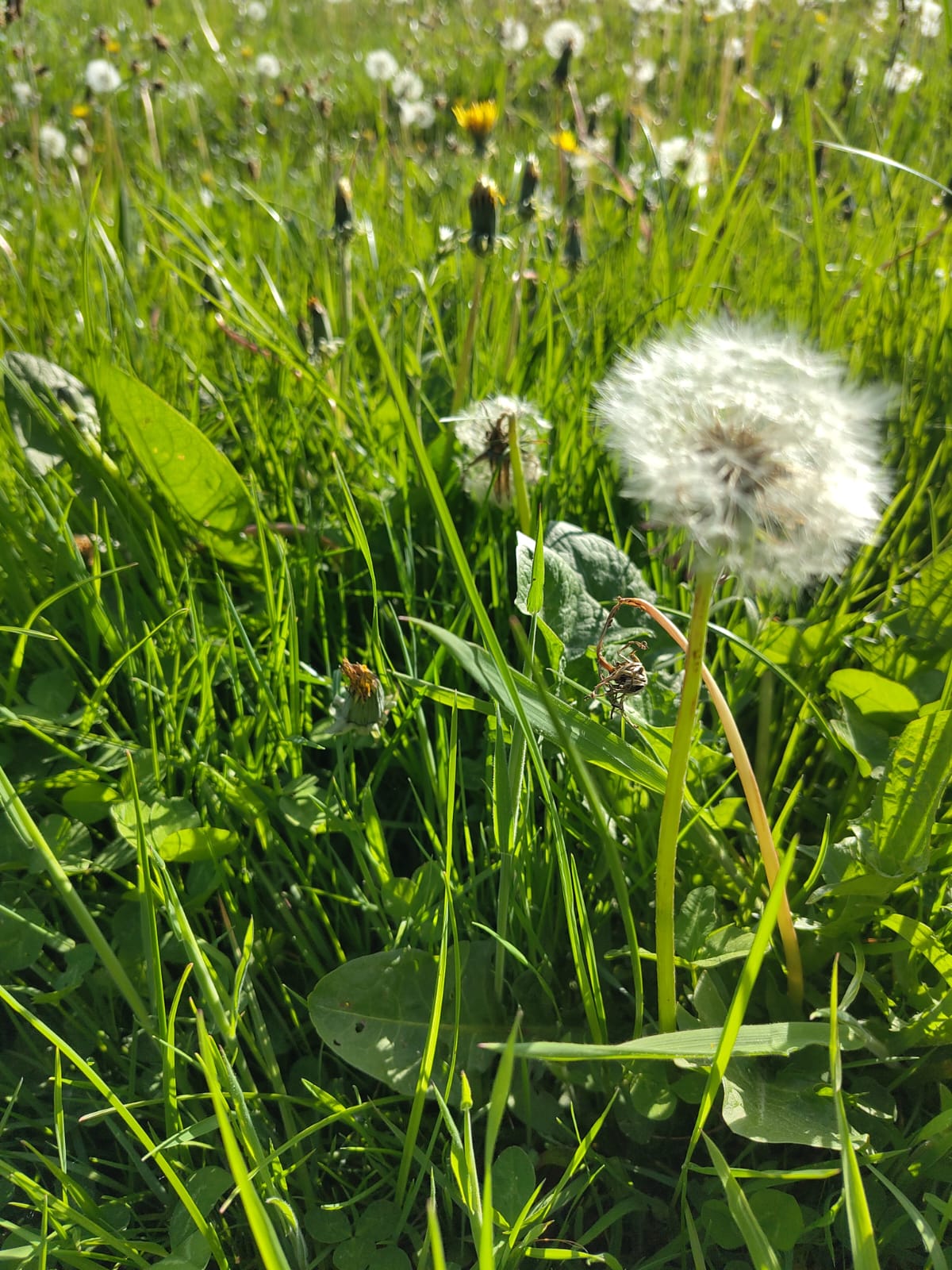
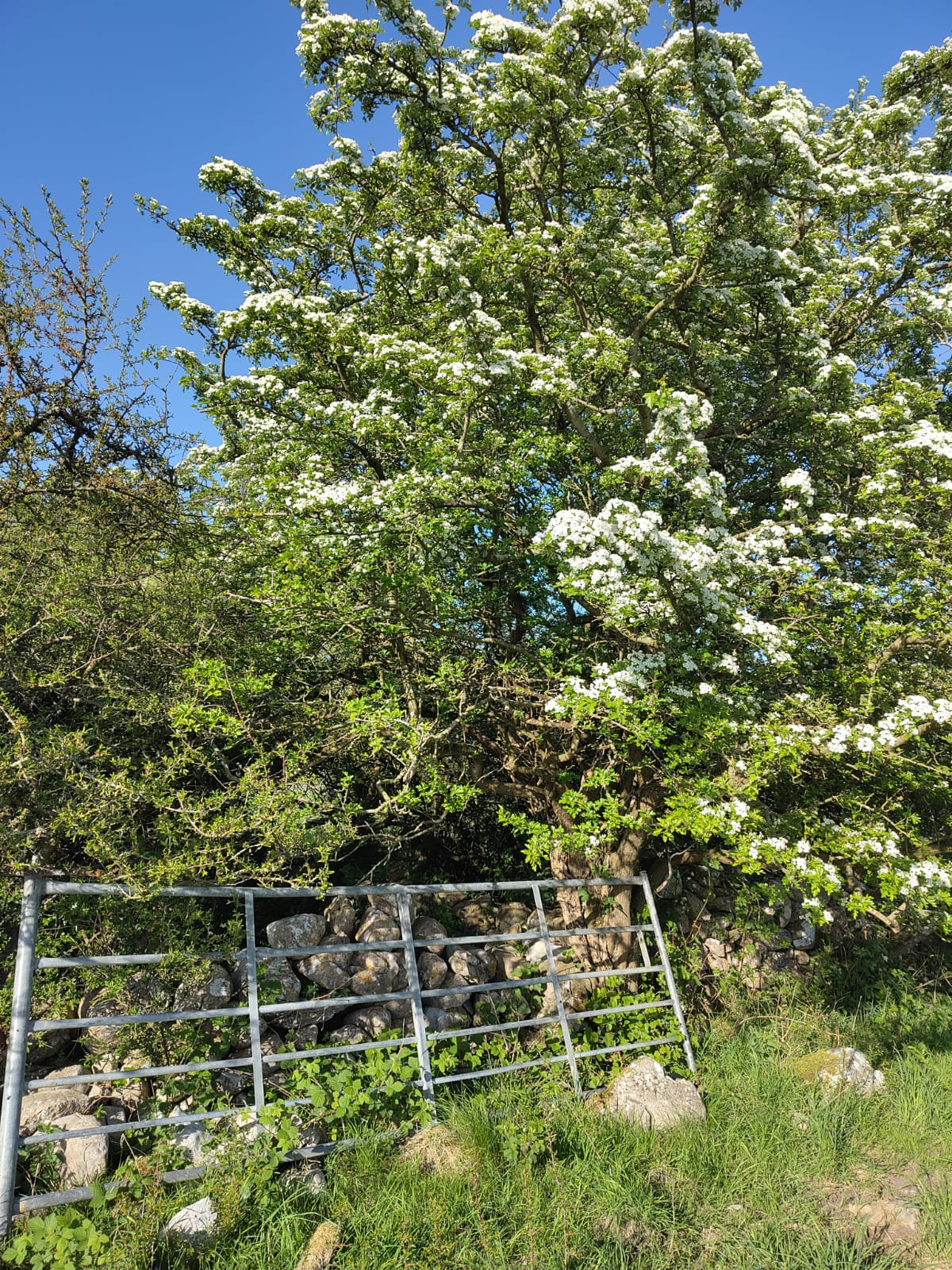
In addition, Seán has planted 11 hectares of native woodland, creating habitat for wildflowers like orchids and cuckoo flowers, as well as supporting pollinators, birds, and other wildlife. His work proves that regenerative livestock farming and biodiversity conservation can go hand in hand.
Can Farming Really Be a Solution to Climate Change?
Seán believes it can and must. By rebuilding soil health, increasing biodiversity, and reducing reliance on chemical inputs, regenerative agriculture stores carbon and strengthens the land’s resilience to climate extremes.
“If I had discovered regenerative farming sooner, I would have been a different farmer. I would have enjoyed it more, and maybe the kids would have seen it as an option.”
He sees regenerative farming not as a niche practice, but as a pathway for the entire agriculture sector to become a climate solution.
How Is Seán Sharing His Knowledge with the Farming Community?
Beyond his own land, Seán is an active leader in the farming community. He:
Hosts training events for farmers interested in regenerative practices
Opens his farm for guided walks and peer learning
Speaks publicly about sustainable farming and environmental responsibility
His long-term vision is to develop his land into a demonstration farm, showing farmers, educators, and policymakers how regenerative practices can be applied in real-world settings.
Why Does Regenerative Farming Matter to Seán?
For Seán, farming is more than a livelihood, it’s a responsibility to future generations. His approach is rooted in a belief that responsible farming can rejuvenate both land and community, restoring ecosystems while supporting rural life.
“Agriculture can be a solution to climate change, not a cause.”
Through his commitment to organic and regenerative methods, Seán is showing what’s possible when farmers work with nature, not against it.
Nominator: Sean McGlóin, Manager National Organic Training Skillsnet
Sean has been an organic farmer for almost 20 years and has a strong interest in the environment, engaging in initiatives like tree planting to enhance biodiversity on his 84-acre farm. His commitment to sustainable practices has led him to embrace social farming principles, fostering community engagement and promoting ethical stewardship of the land. In recent years, he has been involved in regenerative grazing, applying innovative multi-paddock techniques that not only improve soil health but also restore wildlife habitats, all while operating under a strong ethical viewpoint. Sean believes in the potential of agriculture to shift from a major contributor to climate change to a positive force for environmental rejuvenation, inspiring others with his journey towards sustainable farming.