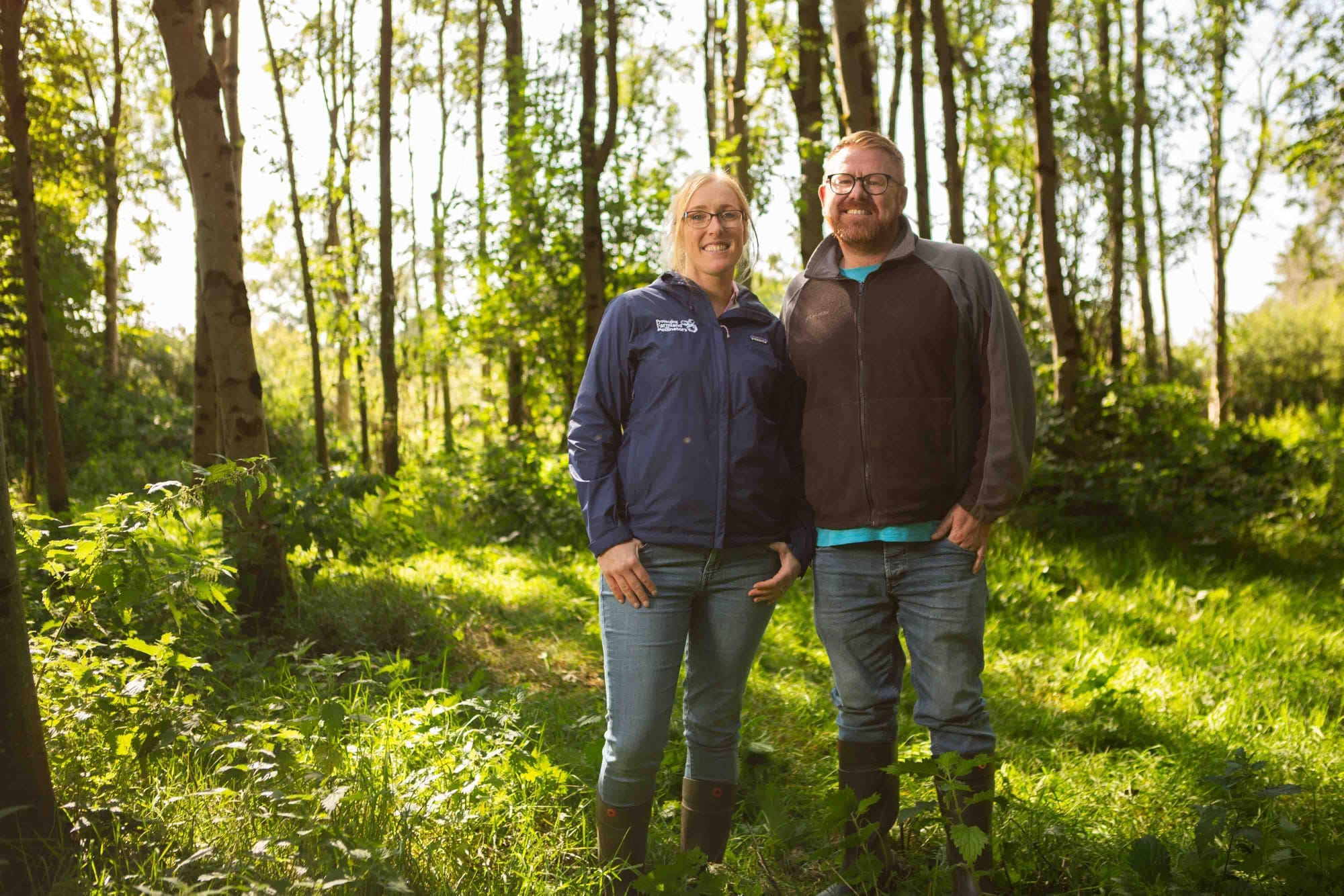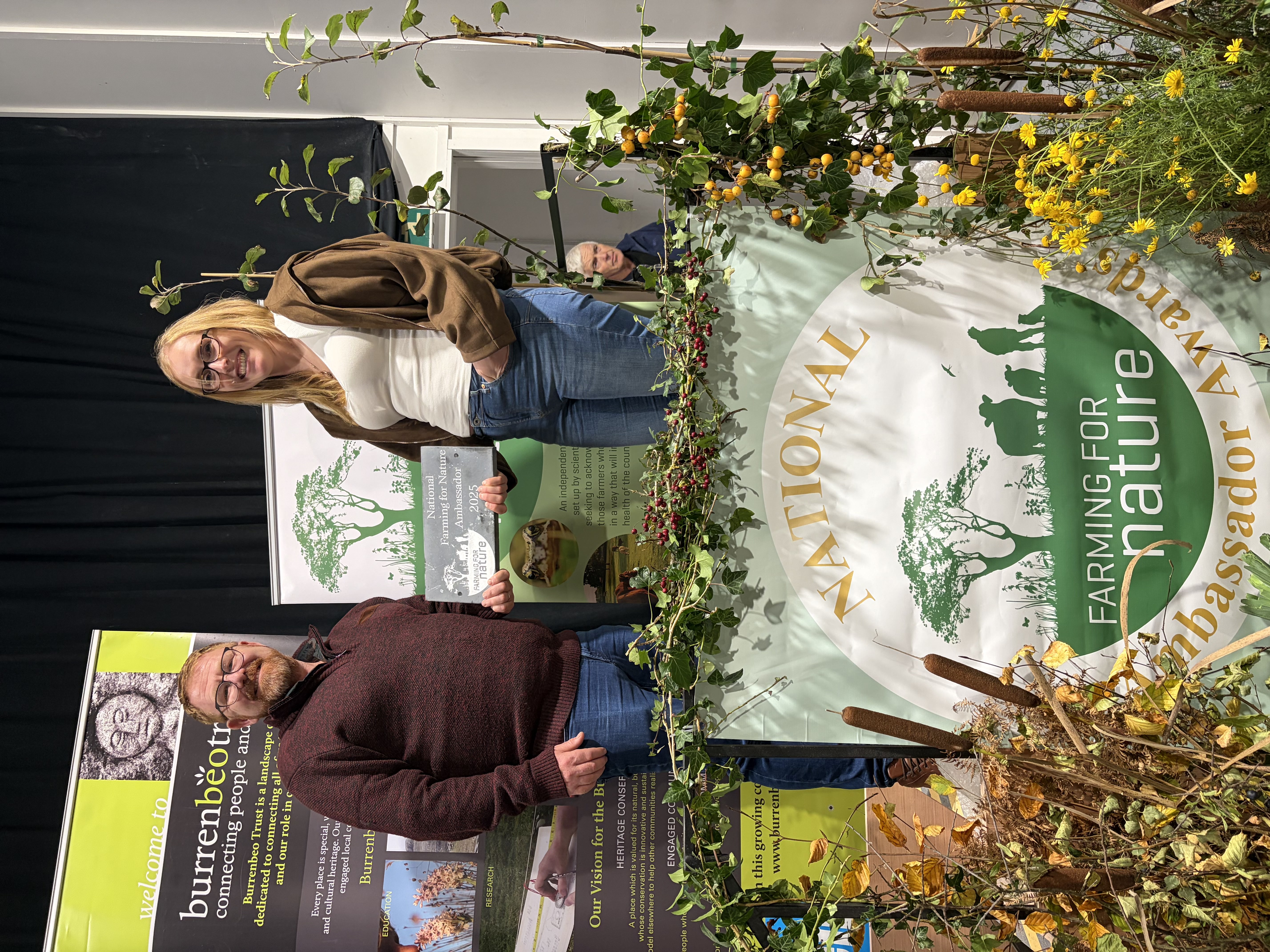
Rachel and James Creighton
Rachel and James Creighton
Location: Co. Kildare
Farm Size: 72.6 ha
Farm Enterprise: Dairy farming
Dairy Farming with Nature: Balancing Milk, Biodiversity, and Water Quality
Can Dairy Farms Support Wildlife and Produce High-Quality Milk?
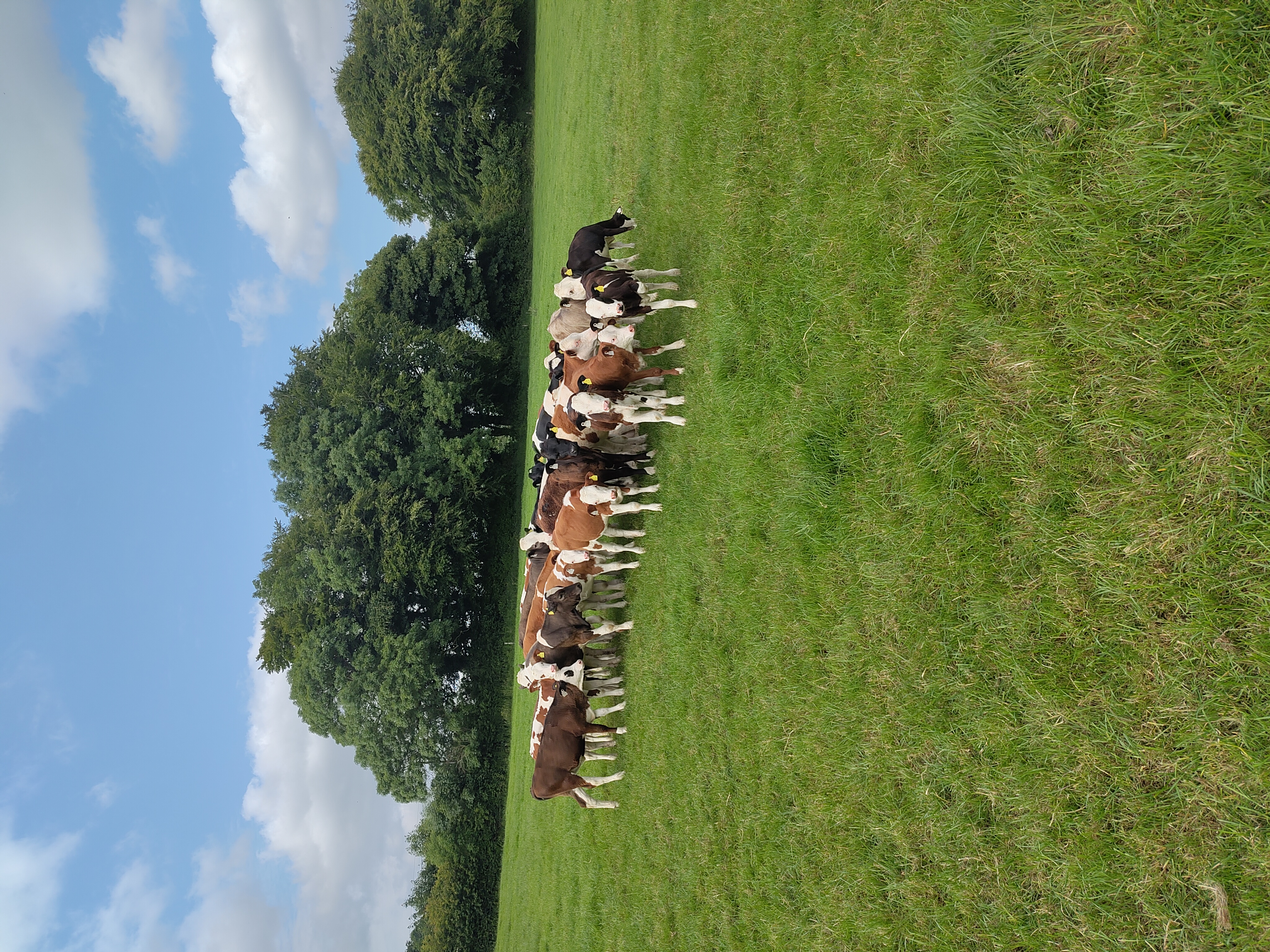
Rachel and James Creighton are proving they can. Based in Co. Kildare, they farm 72.6 hectares of land, with a strong focus on nature-positive dairy production. Milking 116 cows, they rear all their own replacements under derogation, while actively reducing inputs to protect water and biodiversity. The pairs farm already had a strong nature legacy, with 1 ha of native woodland, four ponds, and 8 km of hedgerows. But, since taking over from her father Barney Sullivan in 2021, Rachel has pushed this further, making the farm a national model for sustainable dairy.
How Can Dairy Farms Reduce Pollution and Support Clean Water?
As part of the Farming for Water EIP, the Creightons are taking practical action to protect water quality, with no pollution detected from their farm in council testing. They’re constructing a silt tank and reed bed system to manage runoff and are expanding soiled water storage. Their approach to fertility management includes soil testing, liming, and using protected urea, with chemical nitrogen use halved since 2021. They’re also incorporating clover and herbs into pastures, reducing dependency on synthetic inputs, while improving soil health and biodiversity.
What Happens When You Prioritize Biodiversity on a Dairy Farm?
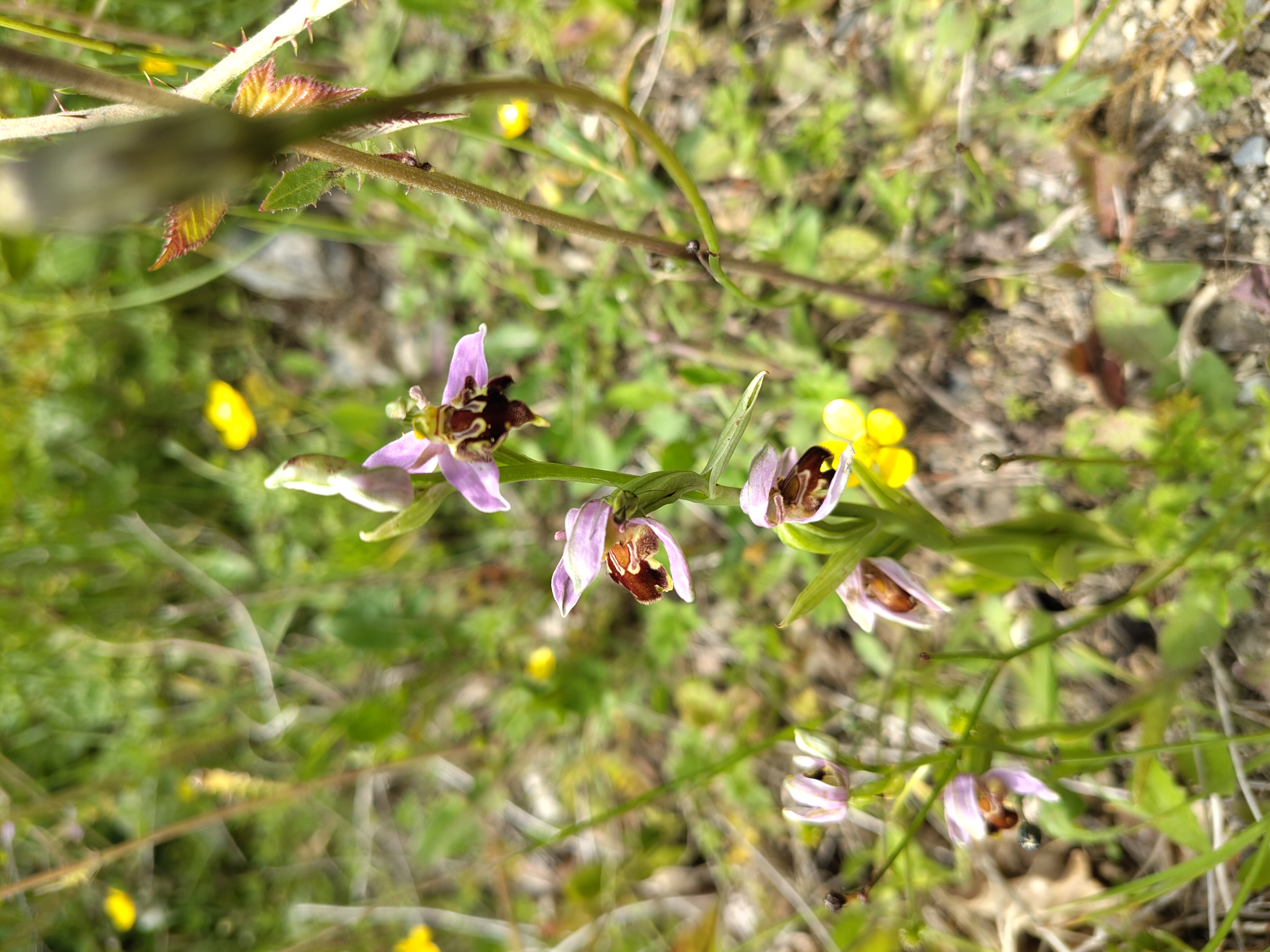
The Creightons’ farm scored the highest number of hoverfly species in the Pollinator EIP, and they’ve embraced minimal herbicide use, embracing wild plants like dandelions to support insect-life. Wildlife is returning: pine martens, woodpeckers, snipe, and even curlew have been spotted, and they’ve added an owl box to further enhance habitats. Their motto? “Farming with nature is the future.” They understand that plant diversity leads to animal diversity, helping balance pests naturally and safeguard ecosystems.
How Does a Background in Zoology Shape a Farm’s Future?
Rachel and James bring a unique skill set to dairy farming, having studied zoology and worked at Dublin Zoo before taking over the farm. Their experience has shaped a deep understanding of habitat loss and ecosystem health, influencing everything from grassland management to pond protection. She’s part of Teagasc discussion and grass-measuring groups, a member of the IFA, and collaborates with Tirlán. In 2024, she represented Ireland at the EU CAP Network Conference in Ljubljana, speaking on pollinator-friendly farming. Her guiding principle:
“Umbrella actions for pollinators must benefit all biodiversity.”
Is There a Future for High-Output Dairy That’s Also Nature-Friendly?
Rachel and James say yes - and they’re living it. With constant reinvestment into both milk quality and habitat health, they aim to increase milk solids and volume while reducing nitrate levels and protecting environmental health. By adapting genetics, returning to Simmental with Montbéliard breeds, and carefully monitoring grass growth and nutrient use, they’re designing a resilient, balanced dairy system. Their farm demonstrates that farming and nature can thrive together, securing a future for both people and wildlife.
Nominator: Colm Flynn, Farming for Nature Ambassador
Nomination: I’ve had great pleasure working with Rachel on the Farm pollinator EIP. It was through this group that Rachel’s unique skill set became apparent. Even though she is now running the family dairy farm, her previous employment within the Zoo, has given her a deep understanding of the risks to nature through habit loss. Her farm is now a model farm in sustainable commercial dairy production, with numerous interventions for nature.
Her catch phrase, “ Umbrella activities for pollinators requires actions that benefit all aspects of biodiversity “.
Rachel is a competent educator and speaker, her willingness to share is best reflected by her commitment to travel toLjubljana in Slovenia in 2024, where she represented Ireland at the EU Cap Network, Promoting Pollinators Friendly Farming . Rachel is adamant that we need to design and develop actions now, that secure a future for everyone and everything in nature.
I’ve no hesitation in recommending her as an ambassador.