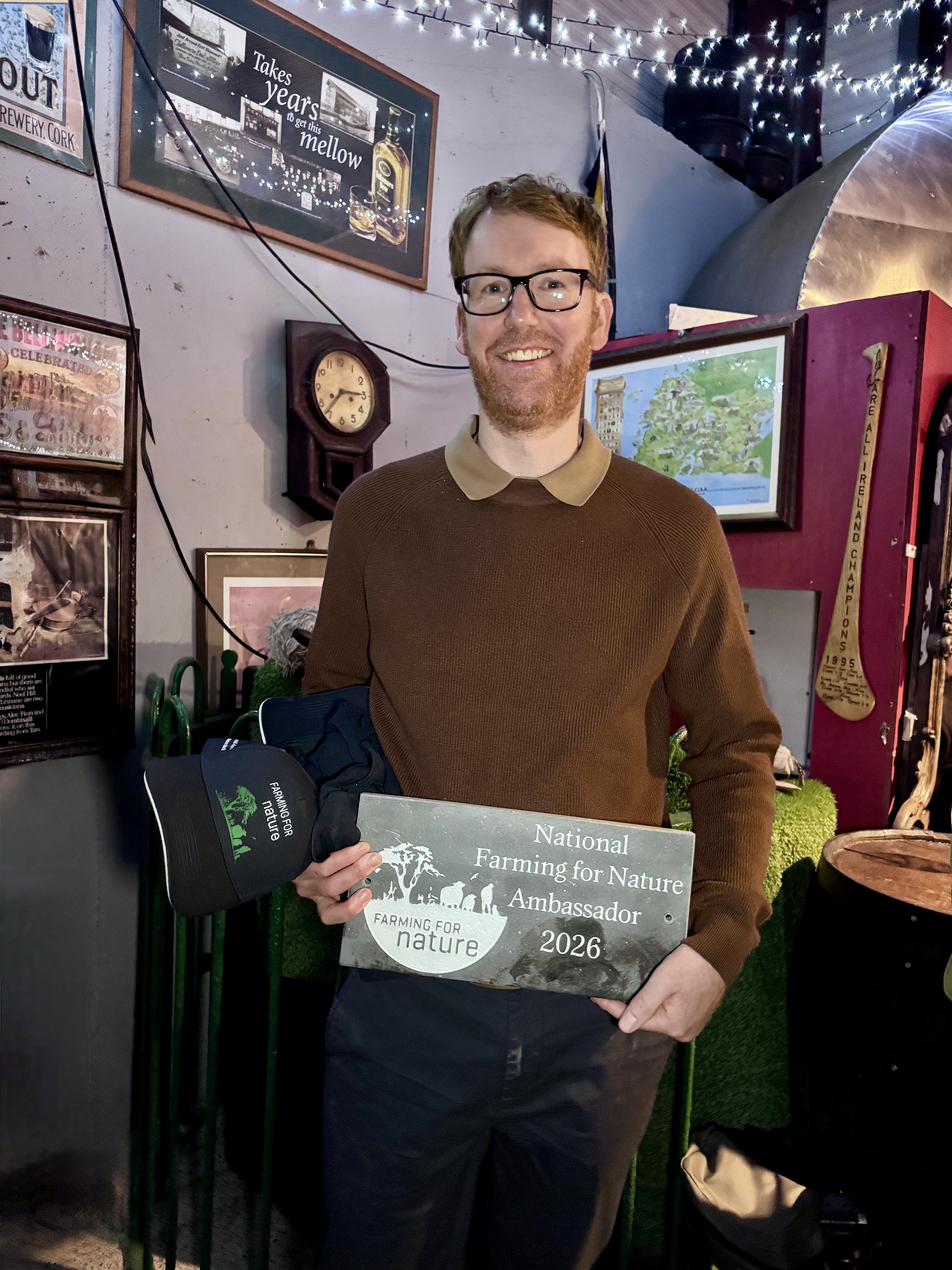
Niall Fitzgerald
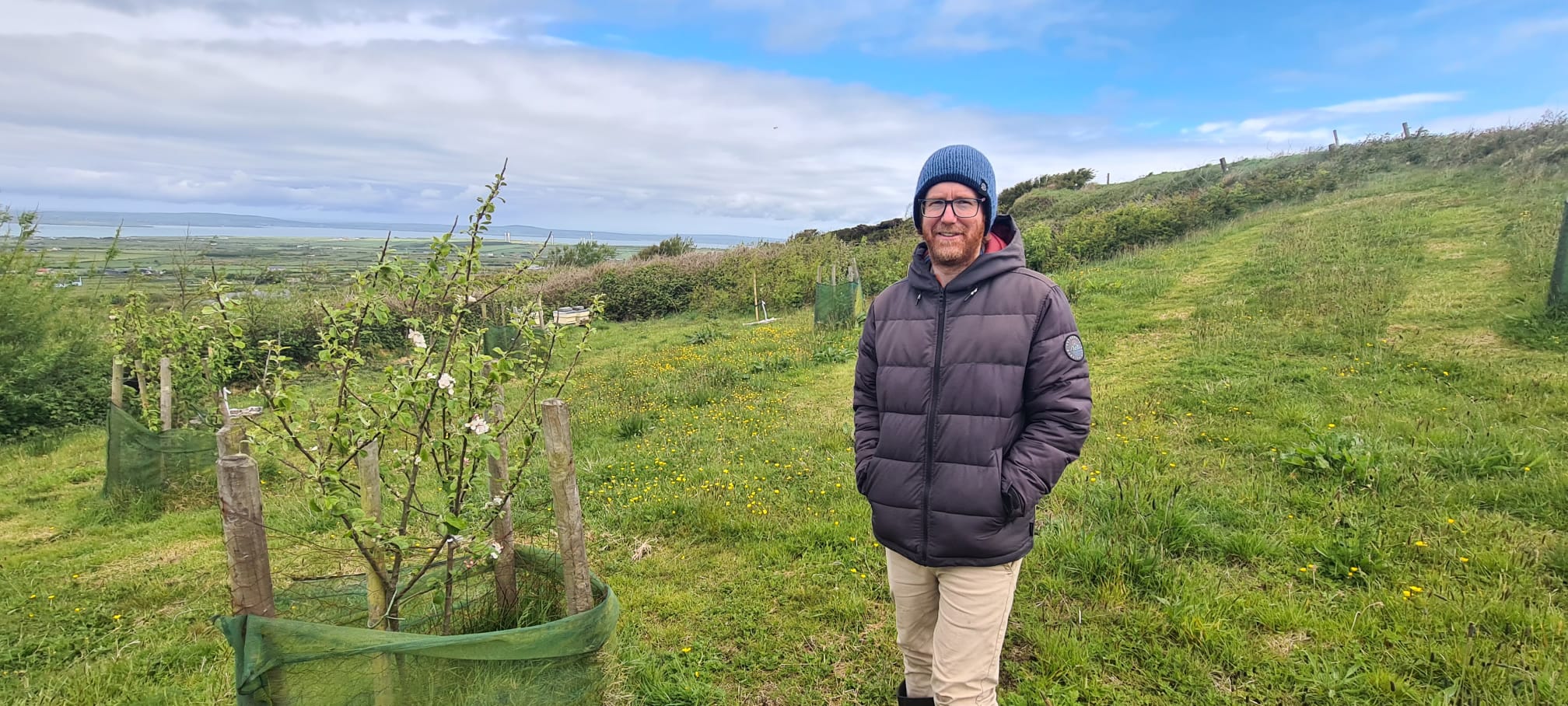
Niall Fitzgerald manages a small but thoughtfully developed 10.5 acre holding on an exposed hillside near Ballybunion in County Kerry. From the outset, his main goal has been nature restoration, and he is gradually finding ways to incorporate small-scale commercial enterprises to the farm.
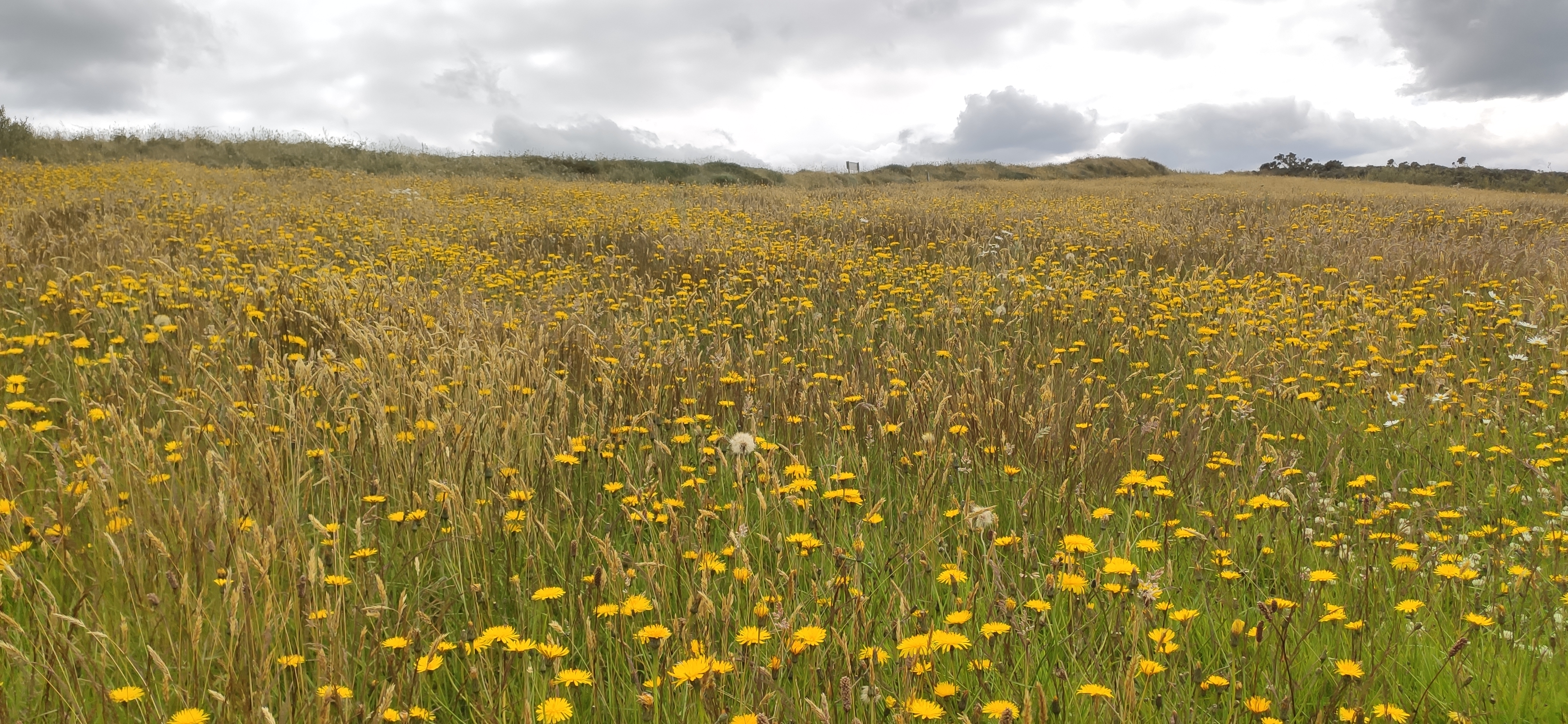
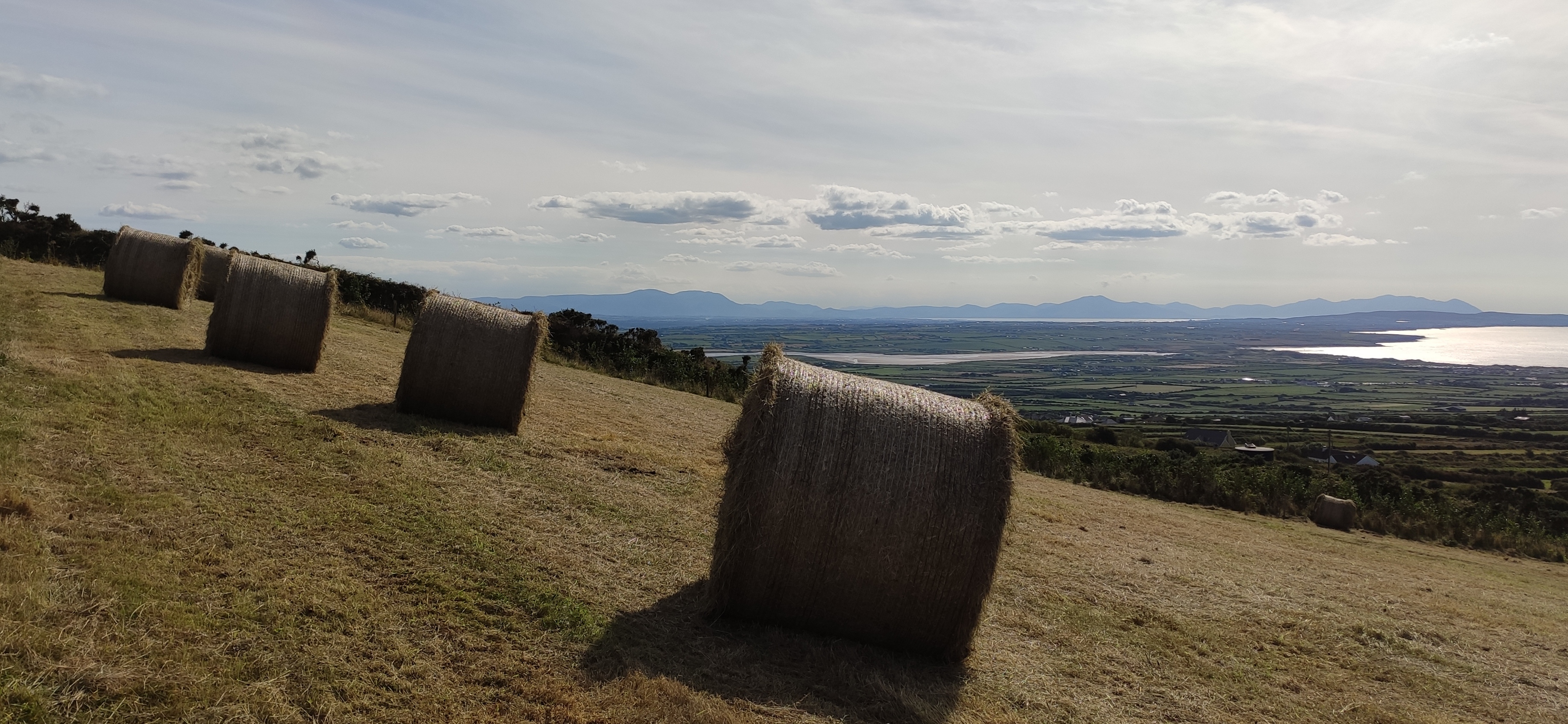
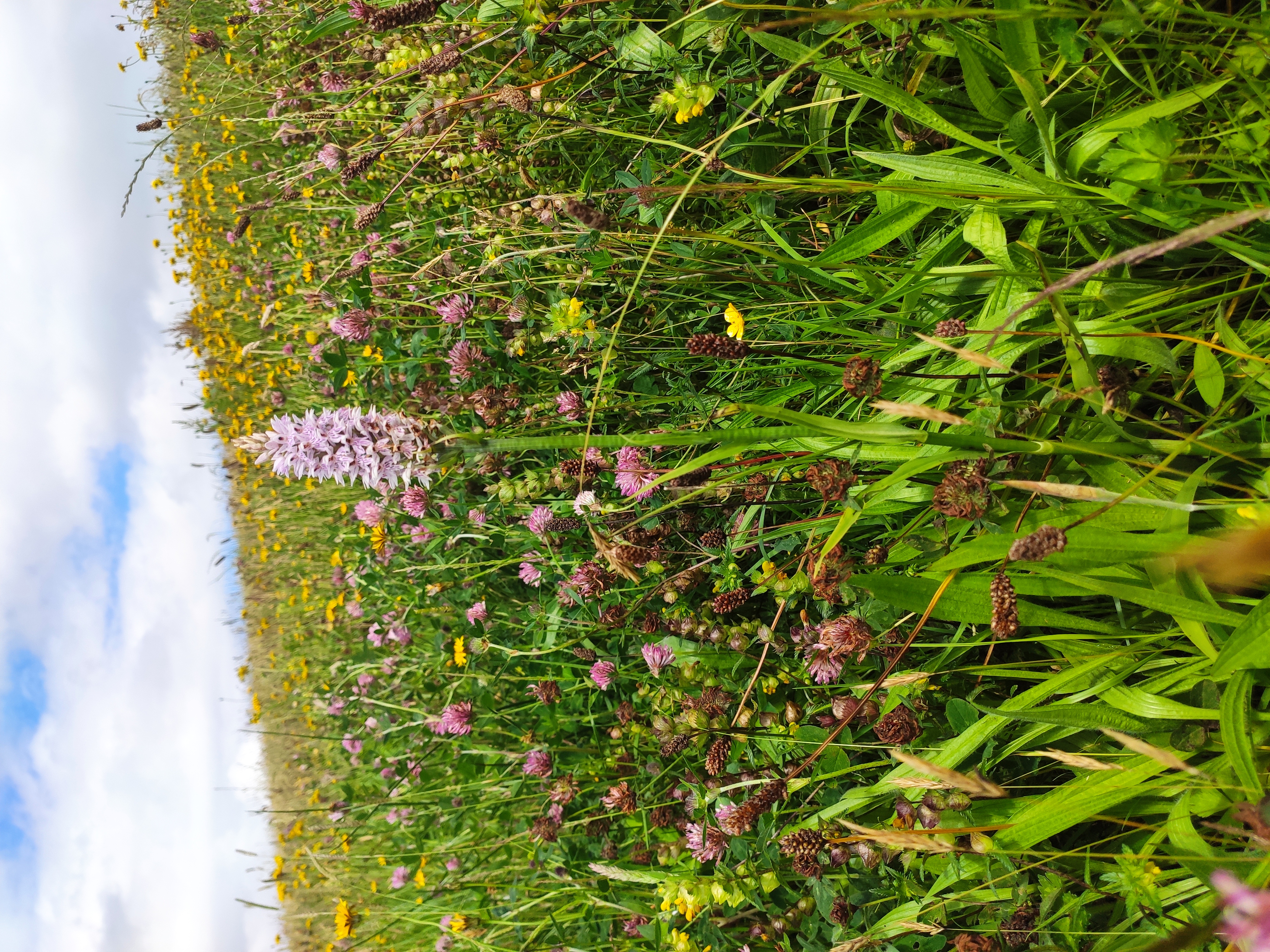
His farming system is diverse, observation-led and low-input. Tree belts, hedging and pockets of woodland were planted early to provide shelter, support biodiversity and create more favourable growing conditions on the exposed site. A native hay meadow is a central element on the farm – rather than conventional reseeding, Niall has encouraged natural regeneration through careful cutting, the introduction of yellow rattle and planting native flower plugs into the field. High quality hay is cut off the land and sold locally for horses. Niall keeps a few hives of native black bees and sells honey locally. He also grows vegetables for local sale. Niall is gradually developing a seed-supply enterprise for native wildflower seeds that he collects from his hay meadow. He collects trees seeds locally and is beginning to grow saplings that he will then sell to landowners in the area. He has plans to incorporate native ponies or cattle to the land in the future, as well as potentially adding a chicken enterprise to the farm.
Nature recovery is clearly visible in increased birdlife, pollinators and mammals such as breeding hares on the land. Niall is active in community knowledge-sharing and loves showing people the steady progress and developments that are occurring on the farm – "The amount of times I was told when I bought the land that 'you won’t grow trees up there, trees won't grow on that hill' - then I bring people up and show them 12ft high Alder, Birch, Oak and people can't believe it. Trees will grow if they are planted in the right place." Overall, Niall holds a positive outlook for his farm — believing small, well-managed pockets of biodiversity can gradually influence wider farming landscapes.
Nomination (Barry O'Donoghue, NPWS):
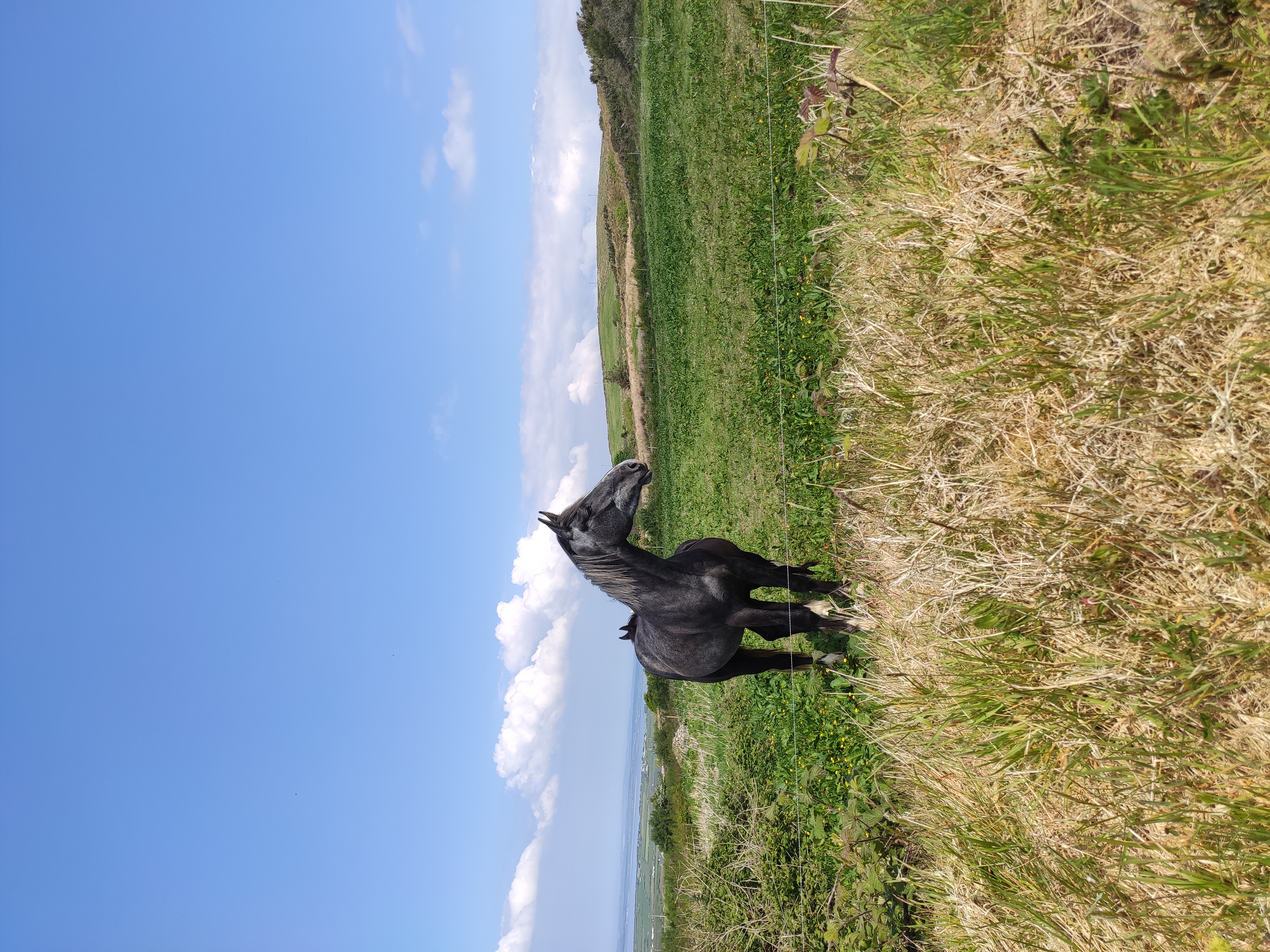
Niall Fitzgerald is one of the best examples in Ireland of managing land in a totally dedicated way for nature, while providing agricultural output in the form of high-quality hay and horticulture. The colour and buzz around Niall’s lands on the slopes of Cnoc an Óir mountain, overlooking the Shannon Estuary across to Clare and as far back to Mount Brandon, is a joy to behold. To stand on the land and look across the vast open views of green and blue, with the white trim of waves against the coastal cliffs and listen to the bees and the skylarks is good for the mind and soul.
When Niall took this land into his care, it was entirely a score of 0 from a biodiversity perspective. Part of the land had been previously altered from the dry heath of the mountain to a field intensively managed for silage, with herbicides and fertilisers used liberally to try and force the land into something it was not naturally capable of being. This saw resultant loss of nature and leaching of nutrients and herbicides through the shallow and free-draining soil. To look at (and listen to) the land today, it is unrecognisable. The species-rich meadows score exceptionally high; some of the highest scores of any participant in the NPWS Farm Plan Scheme nationally. Wildflower species have been reintroduced to the meadow where appropriate, but only from local seed sources as seed providence is of highest priority. Species are reintroduced by collecting seed locally and adding directly, or by growing seed as plugs and added once established. Both methods have proved successful thanks to Niall’s knowledge and attention to detail. Many wildflowers have now naturally reappeared in the meadow; most recently spotted heath orchids and meadow thistle were recorded. Excess seed and wildflower plugs are distributed to people who are regenerating their own small meadows. Niall also provides advice on managing meadows and manages meadows for some locals.
Any actions that have been undertaken to ‘farm for nature’ have been guided by nature itself, with careful study of nature and ecological processes onsite prior to executing action in a targeted way. Nature is effectively now managing itself, thanks to the platform that Niall has provided. Niall has added over almost half a kilometre of dense hedgerows which interconnect to patches of new native woodland that Niall has also planted. The location of the new hedgerows and woodlands were sensitively selected to ensure existing habitats or species of concern were not impacted negatively. All trees are of Irish provenance, which is of critical importance. In the past 2 years he has started to propagate his own hawthorn from a few old specimens onsite and has also started to grow his own oak trees, again sourced from a local diverse woodland with a proven providence. Niall has also created an orchard with 14 heritage apple trees, in time the apples and apple products will be supplied locally. As with Niall’s general mantra the orchard will be managed extensively to ensure plenty of fruit is available for wildlife.
Annually a cover crop is sown to provide pollinators with an additional source of nectar and birds with a source of food for winter. Over time Niall’s plan would be to reduce this cover crop as the meadow, hedgerows, woodland and orchard provide natural food sources throughout the year. A small plot of heritage barley is sown annually, a variety once grown all up the west coast due to its hardy nature. In time once the seed is ‘bulked up’, there should be enough barley to use for some brewing.
To describe the research and planning and hard work that Niall put into realising this vision is impossible. The results speak for themselves, especially when juxtaposed with the general landscape of this intensively farmed part of Kerry. Viviparous lizard, frogs, hares, kestrels, sparrowhawks, buzzards, ravens, meadow pipits, skylark, pygmy shrew all make their home on, or hunt on the land throughout the year, with migrating redwing and fieldfare taking up residence in winter. A species list is kept, and it feels like this site is like Noah’s ark, with such biodiversity. Niall keeps native Irish black honeybees (Apis mellifera mellifera) but is sensitive to their place in the ecosystem and does not ‘flood’ the floral resource (which is extraordinarily rich), so that wild pollinator populations can thrive also. The number of bees is under constant review and if any negative effects to wild pollinators are noticed, honeybee numbers will be reduced in accordance. Purity of the native black bees is of utmost importance, and bees are continually monitored. As well as producing honey and associated honey products, Niall grows vegetables and salads from local consumption.
Niall provides high quality, nutritional hay, which is highly sought after for local horses. Horses are used for reactivating the habitat quality of dry heath that remains on the land, dry heath that had been abandoned for a long period of time, with resultant loss in species richness.
Niall’s story is a lighthouse when it comes to Nature Restoration in Ireland. He has taken land into his care and has brought it into the goldilocks zone of appropriate and sensitive management, from being too hot (the suppression of nature through intensive agriculture) and too cold (the loss of nature through abandonment). The two pieces of land that were separately managed alongside one another (the abandoned heath and the intensive silage fields) and the results that Niall is delivering on either side of that ditch provide the clearest visual illustration FFN is ever likely to have to carry the message of ‘farming for nature’. Niall is also a great communicator and provides advice and services to various others interested in managing land for nature. All while working full-time on an off-farm job. Niall is planning many more habitat additions to ensure there is iterative improvement. This is certainly a very relatable story and an inspiration to anyone who may be considering managing land for nature.