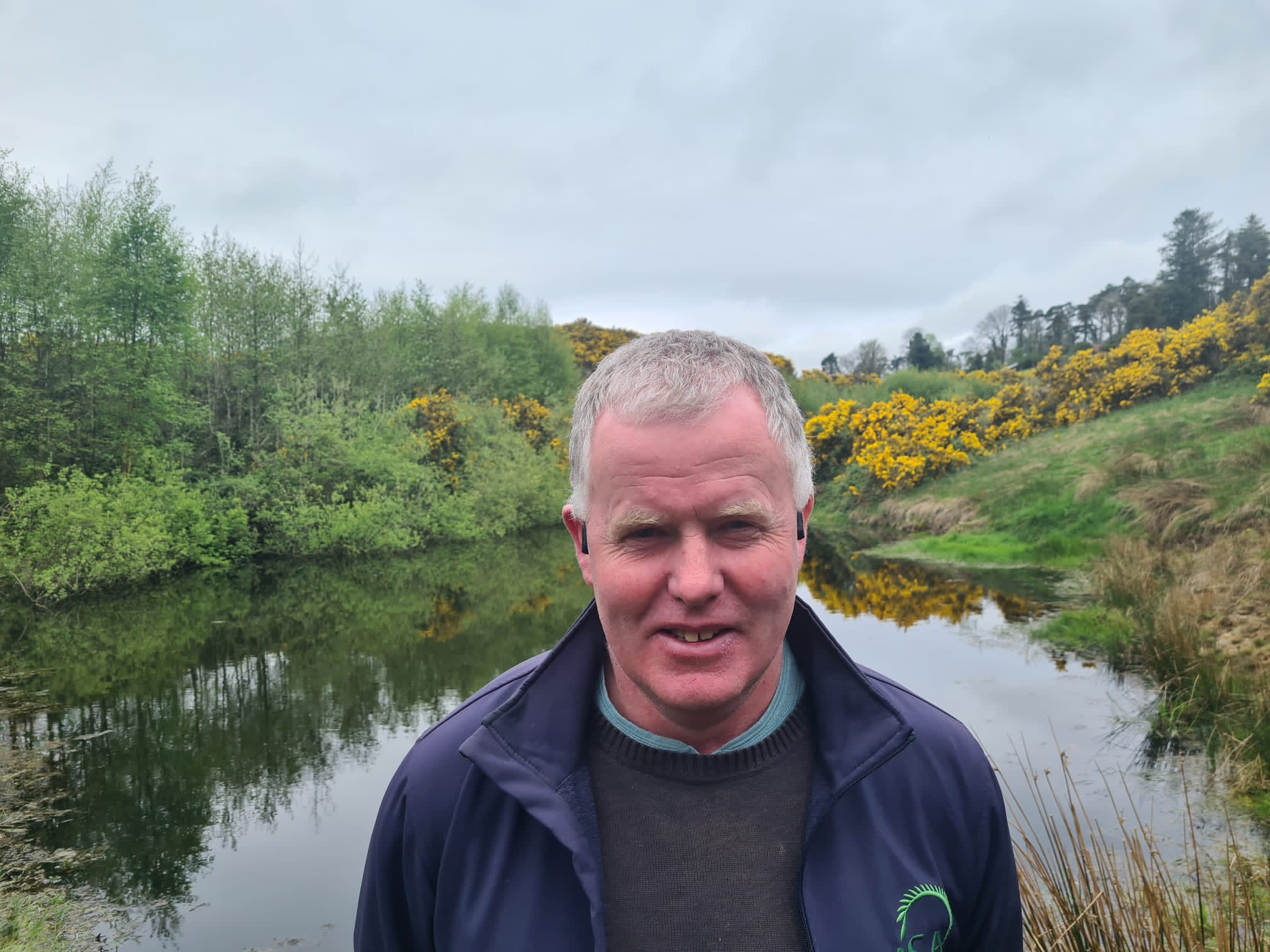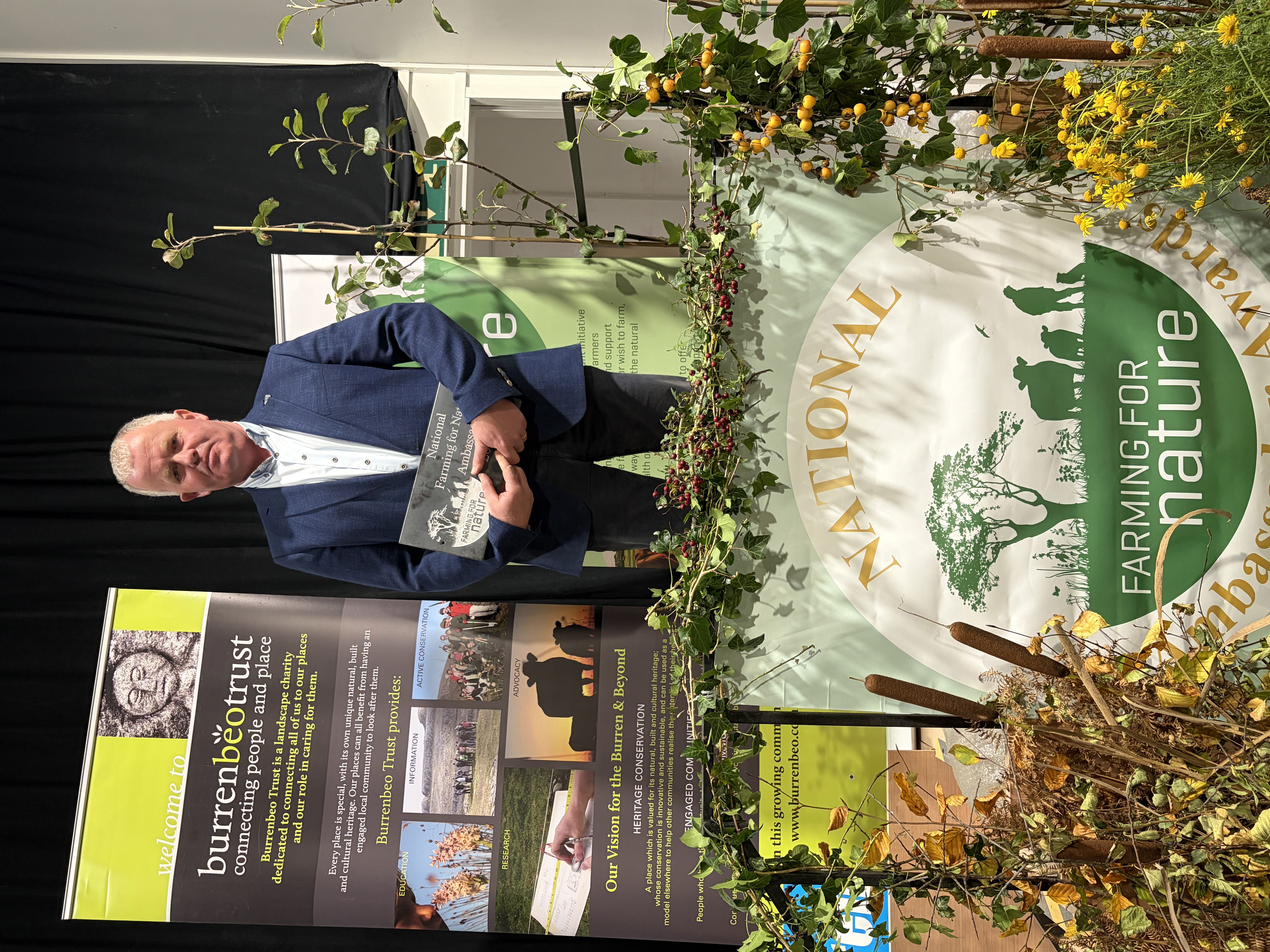
Martin Crowe
Location: Doon, Co. Limerick
Farm Size: 140 ha
Farm Enterprise: Dairy farming
Can a High-Output Dairy Farm Support Nature and Future Generations?
Martin Crowe is showing that it can. Based near Doon, Co. Limerick, Martin milks 190 cows across 140 hectares, running a busy, commercial dairy farm. But over the last five years, he’s made major changes, shifting from a system that “used every bit of ground and drove it hard” to one where climate and nature guide every decision. Encouraged by the curious questions of his five children, Martin has begun reshaping his approach, weaving biodiversity, water quality, and climate action into the daily rhythm of farm life.
How Can Reducing Chemical Nitrogen Build Soil and Save Time?
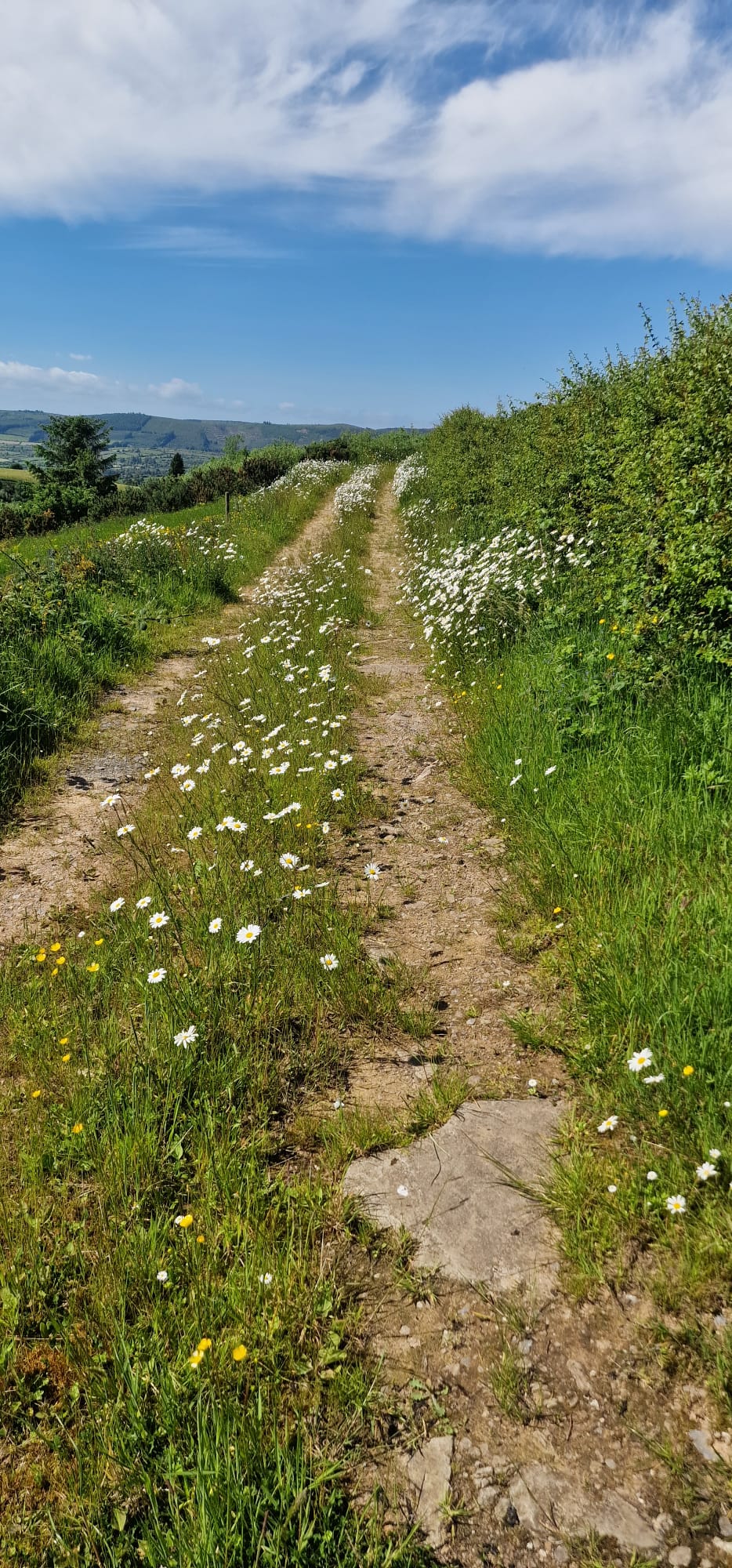
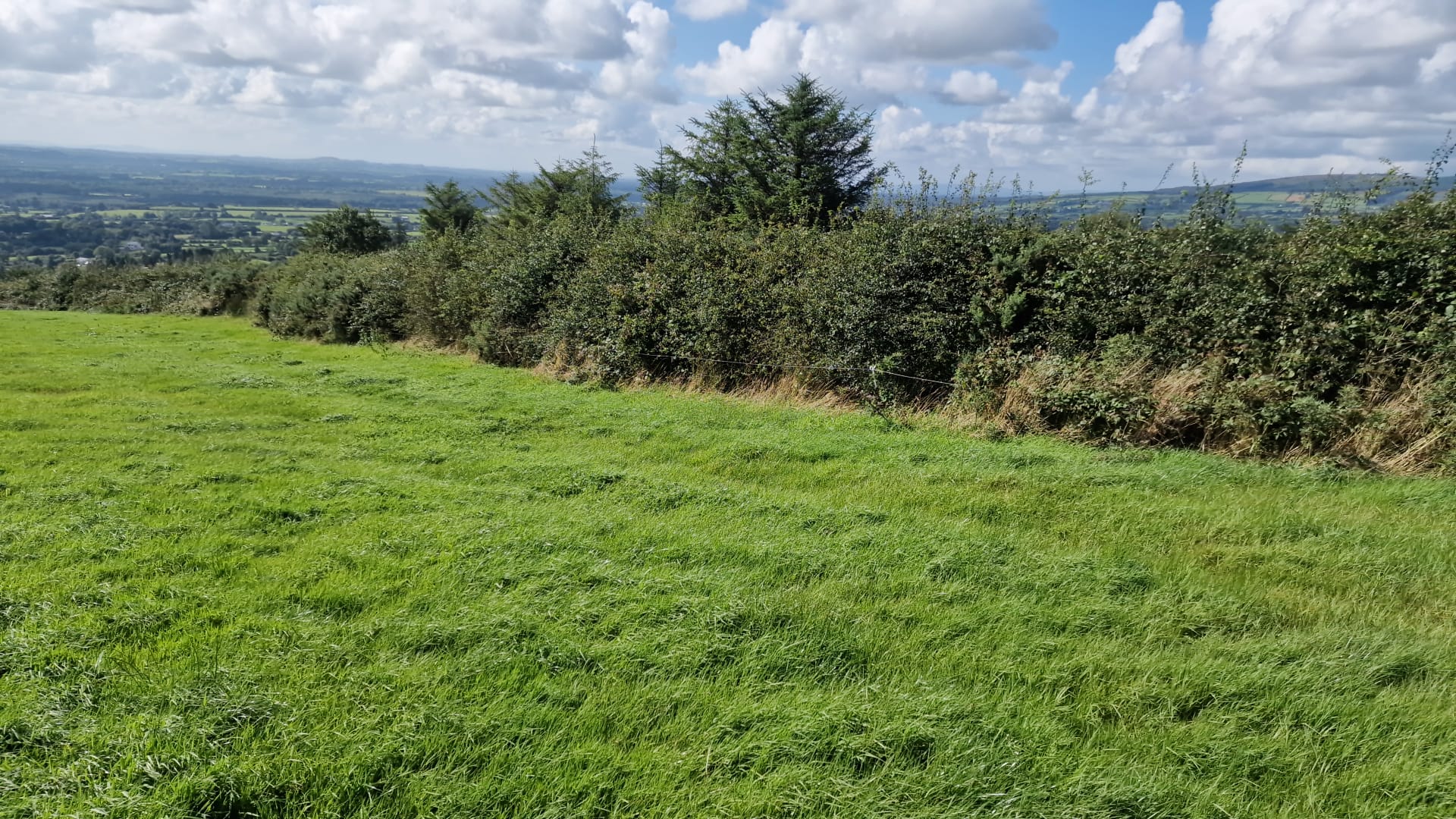
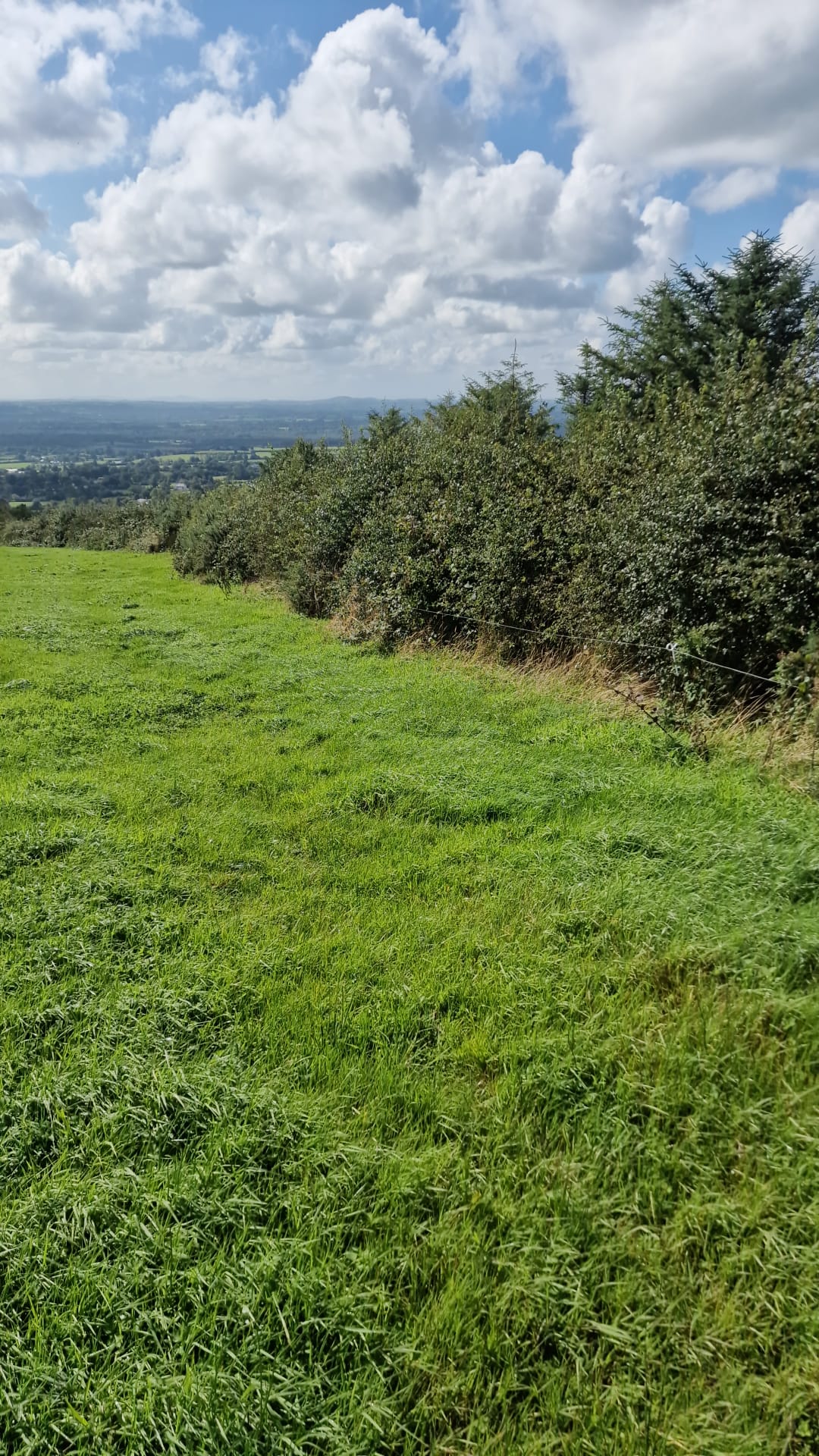
Martin has cut chemical nitrogen use from 150kg N/ha to 90kg N/ha in just two years, thanks in part to his work with the Mulkear EIP. One key step has been sowing multi-species swards. Diverse grasslands need fewer inputs, save labour, and keep growing even during droughts. While they require different management, he appreciates the time efficiency:
“The tractor only has to go into the field once a year.”
This approach supports soil structure, drought resilience, and cost savings, while helping to reduce emissions and dependency on synthetic inputs.
Can Farmers Provide Clean Water for Their Local Communites?
Water quality is a major focus for Martin. He has installed three settling ponds to manage runoff from the yard and protect local watercourses. Alongside this, he has developed a 5–6-acre riparian buffer zone, fenced off from cattle and full of Devil’s-bit Scabious, supporting pollinators and slowing nutrient flow to the Mulkear river.
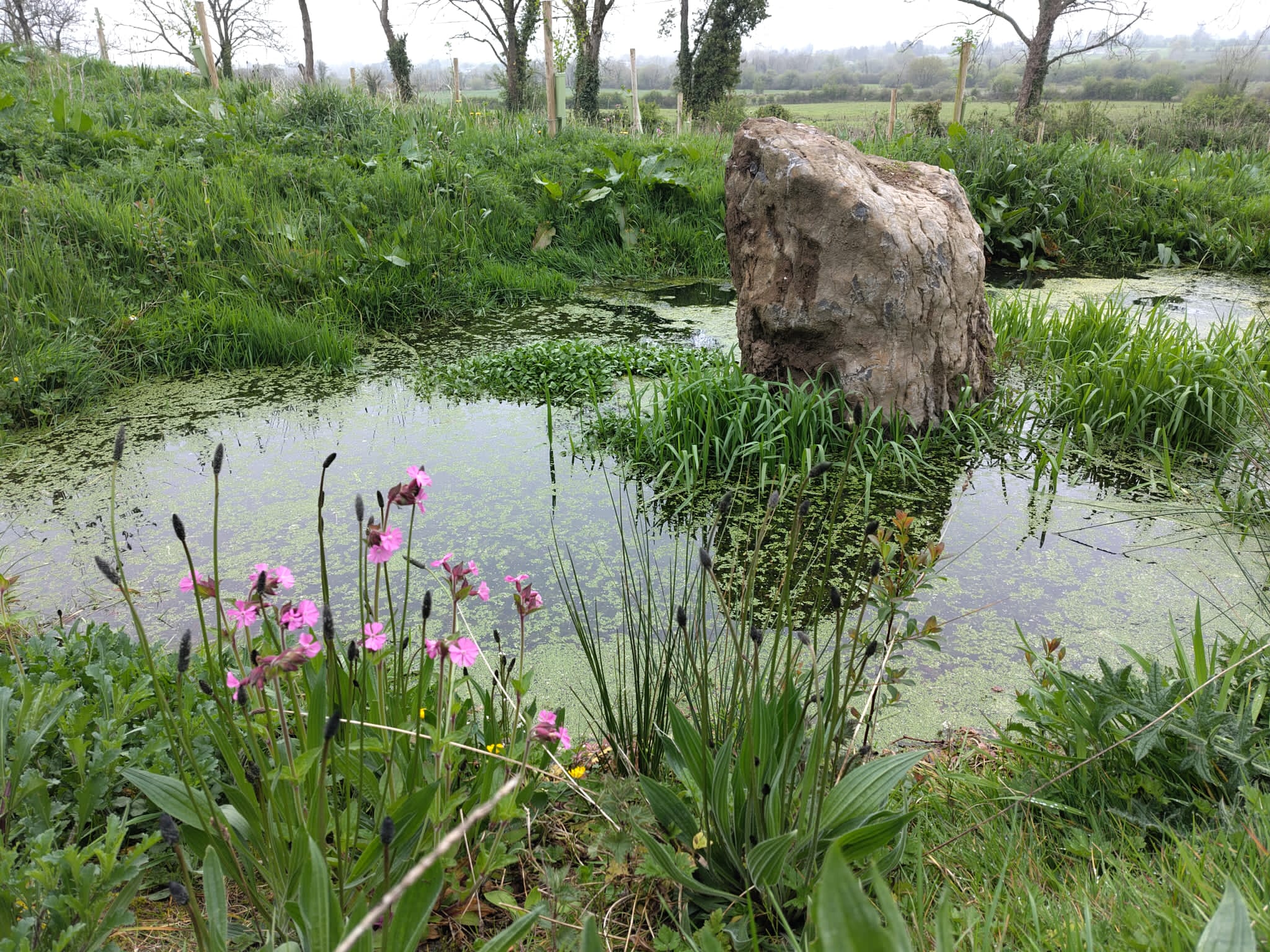
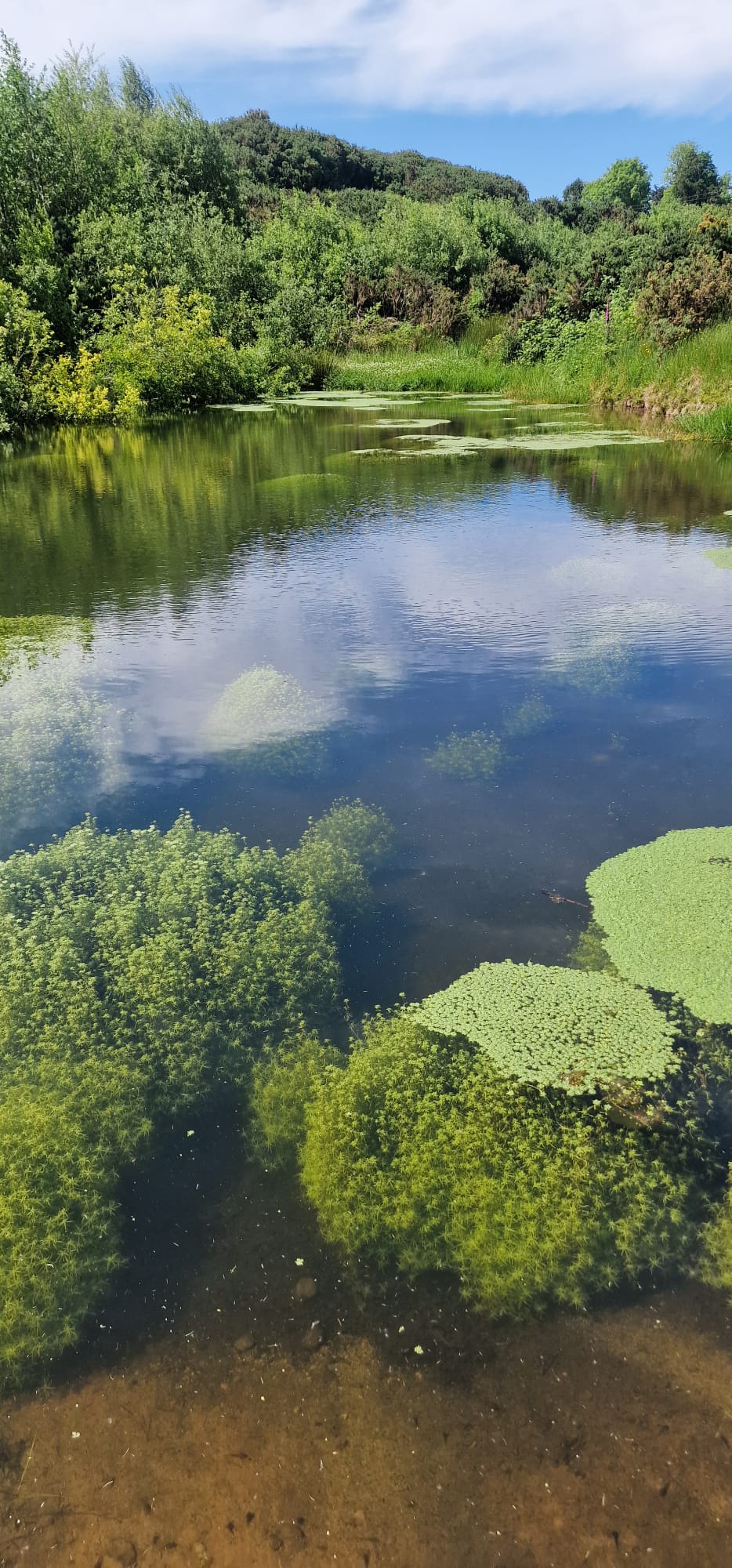
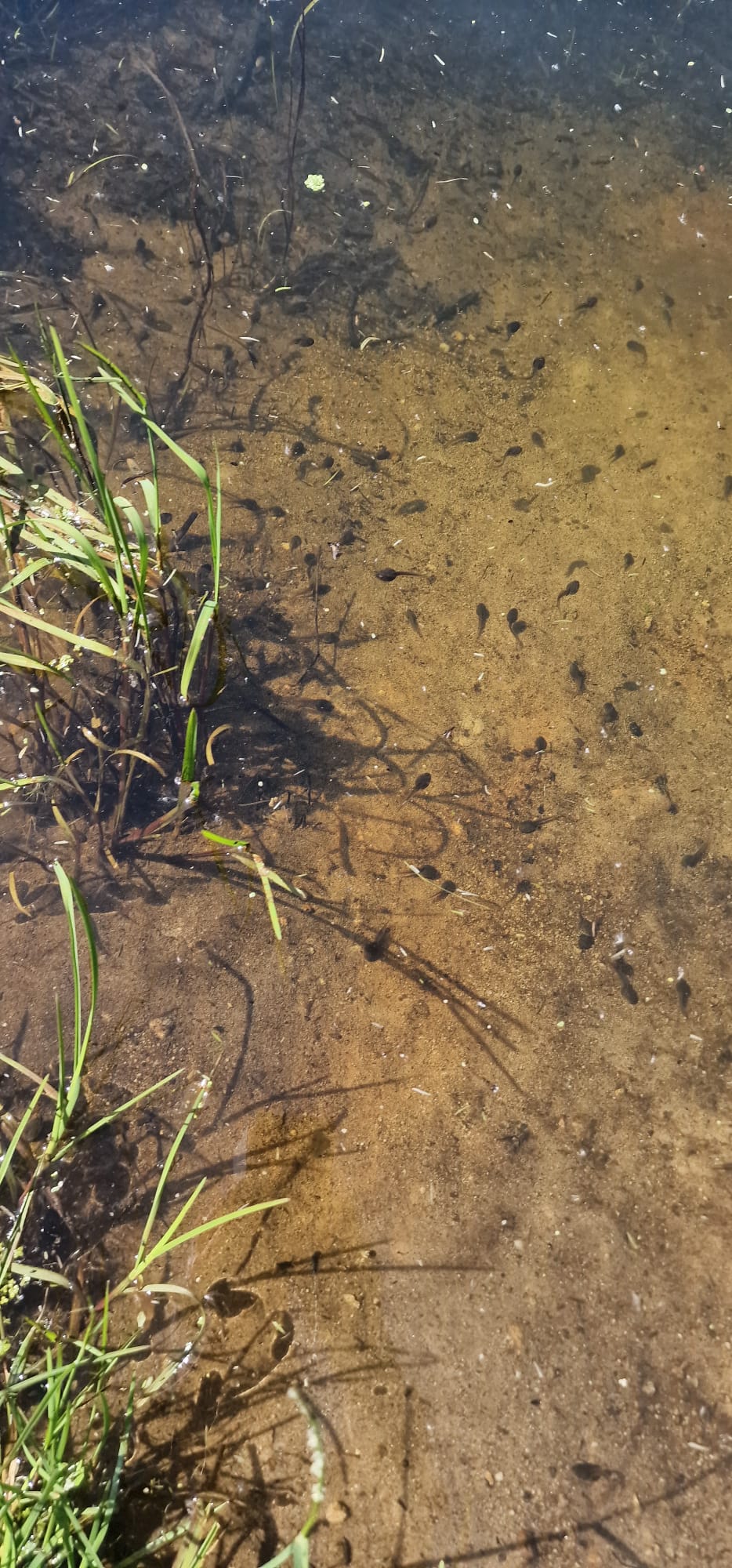
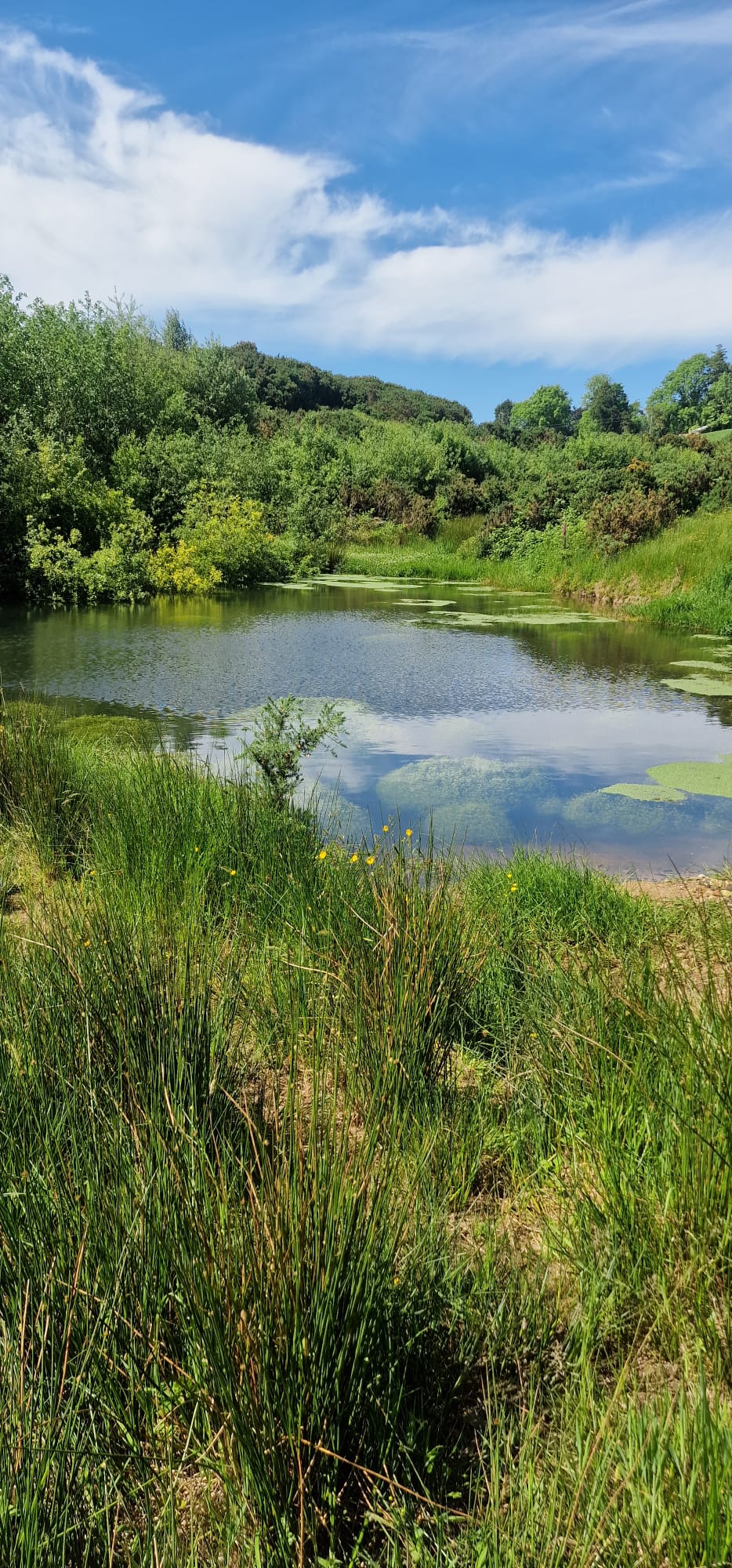
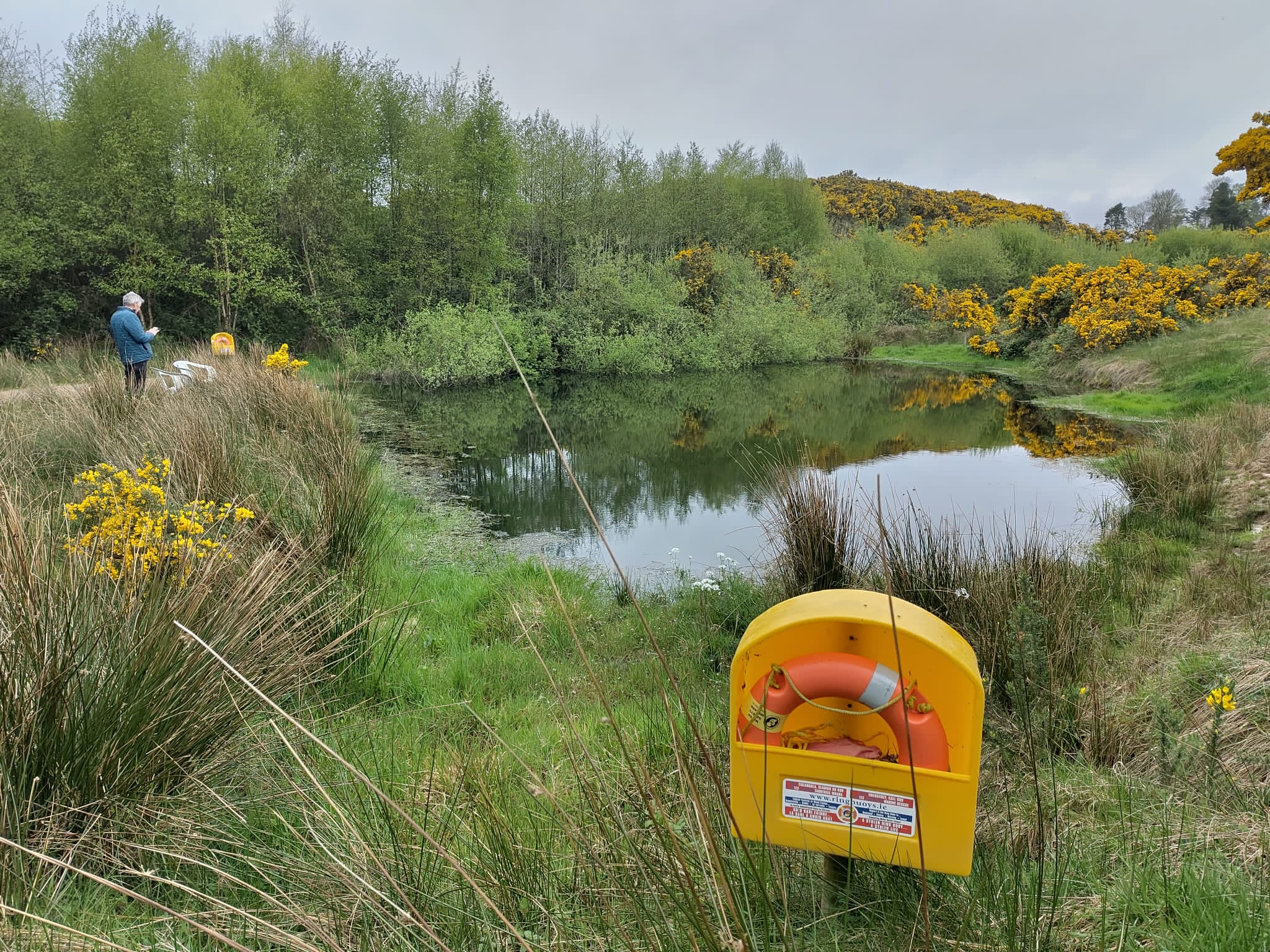
Martin also fenced off a 3-acre glen to allow natural regeneration and did tree planting around the farmyard for ammonia capture. His land includes a tranquil pond alive with dragonflies, ducks, and kestrels, a place he often visits to listen to birdsong, identified with the Merlin app, and reflect on the direction his farm is taking.
How Do Hedgerows and Trees Shape a Farming Legacy?
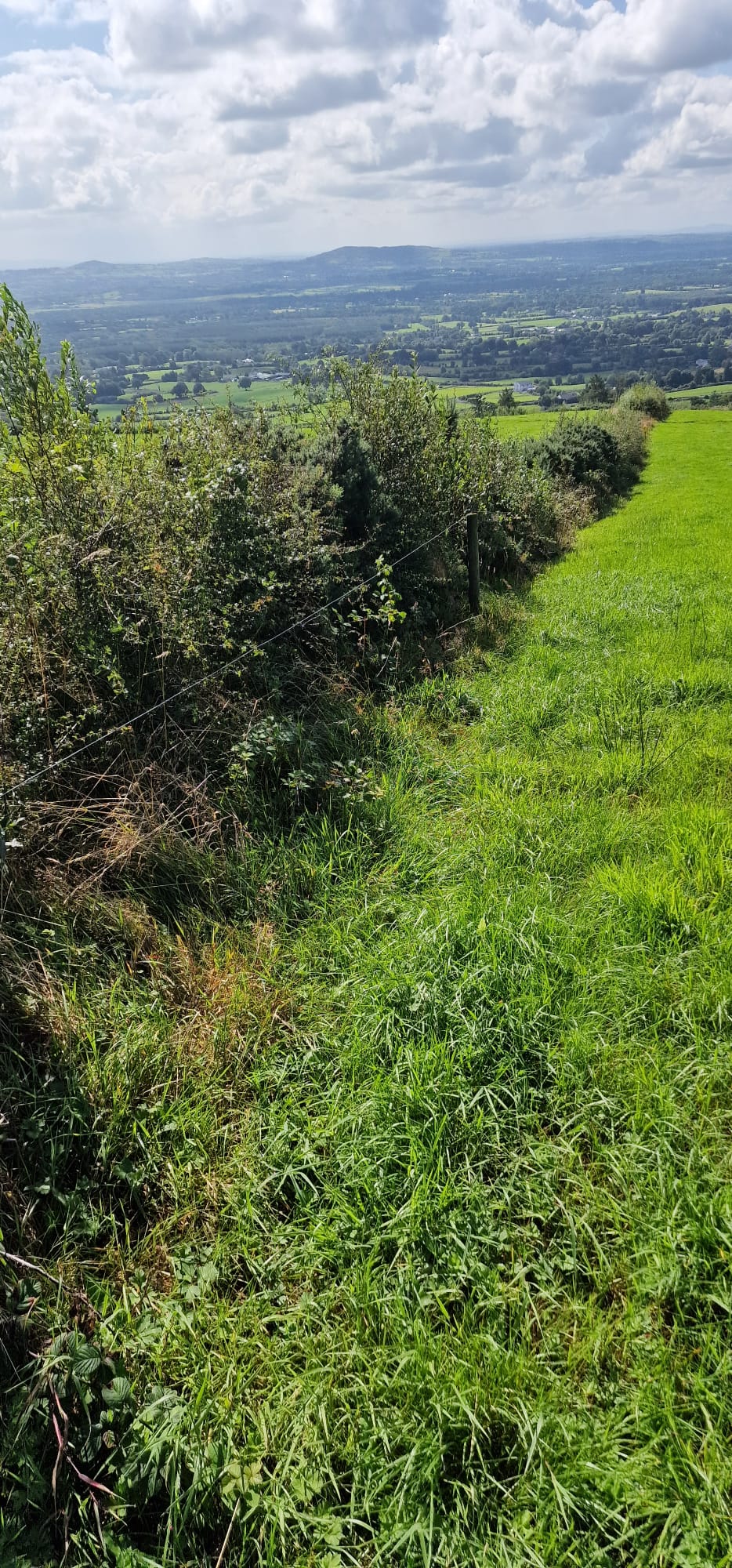
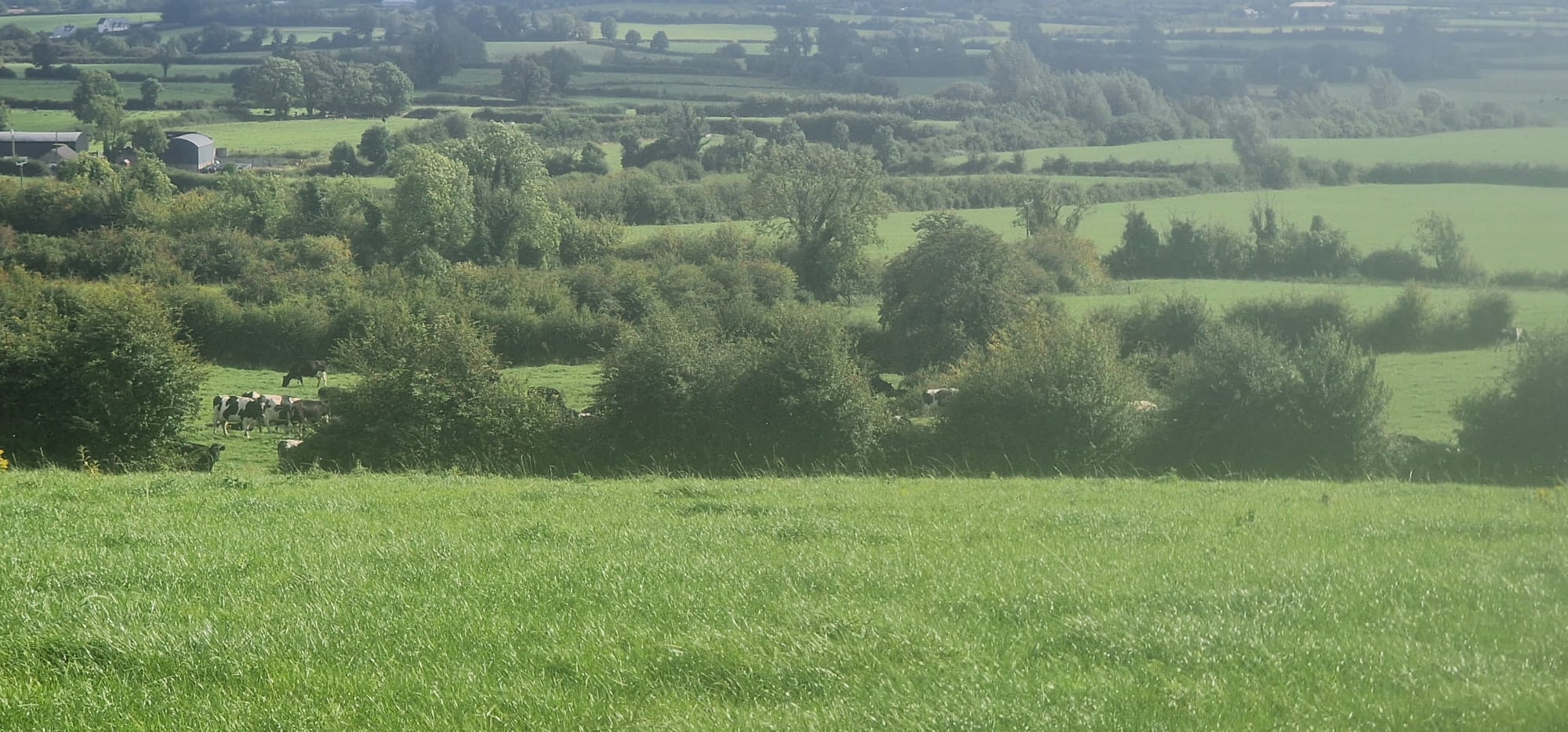
Tree planting has become a powerful part of Martin’s connection to the land and his family. Many hedgerows were removed from the farm in the 1980s, but he’s now committed to letting trees and hedges grow, flower, and support wildlife. One Christmas, he brought his five children out to plant 300 trees together, saying:
“In 40 years' time, they’ll know they planted those trees and they’ll appreciate them.”
This vision of legacy and stewardship underpins his evolving relationship with the land, a shift towards balance without a loss of productivity.
How Can Farm Walks Inspire Others to Change?
Martin shares his journey not by preaching, but by opening up his farm. Through knowledge transfer groups and on-farm walks, he offers other farmers a chance to see the results for themselves. His approach is practical, honest, and based on his own experience.
“Rather than telling them what to do, they could see for themselves what happens.”
He continues to learn and adapt, always open to new ways of thinking, and committed to making farming viable, regenerative, and resilient—for his family, for others, and for the land.
Nominator: Emma Hart, Conservation Ecologist
Nomination:
Martin is a dedicated commercial dairy farmer who has been deeply inspired by his children’s thoughtful questions about climate and the environment. Motivated by their curiosity, Martin has taken significant strides to adopt more sustainable farming practices on his farm. These efforts include implementing water quality measures, planting trees and hedgerows, and using multi-species swards to enhance soil health and reduce chemical inputs. A passionate advocate for sustainable agriculture, Martin is always eager to share his expertise and regularly organizes farm walks, offering others a chance to learn from his experiences. He is committed to continually improving his practices, always seeking to learn more about innovative ways to do more for the environment and future generations.