Lisa Scariff
Location: Glanlough, Co. Cork
Farm Size: 10 hectares
Enterprise Type: Regenerating nature, ponys, former grower
Farming Legacy: 1st generation
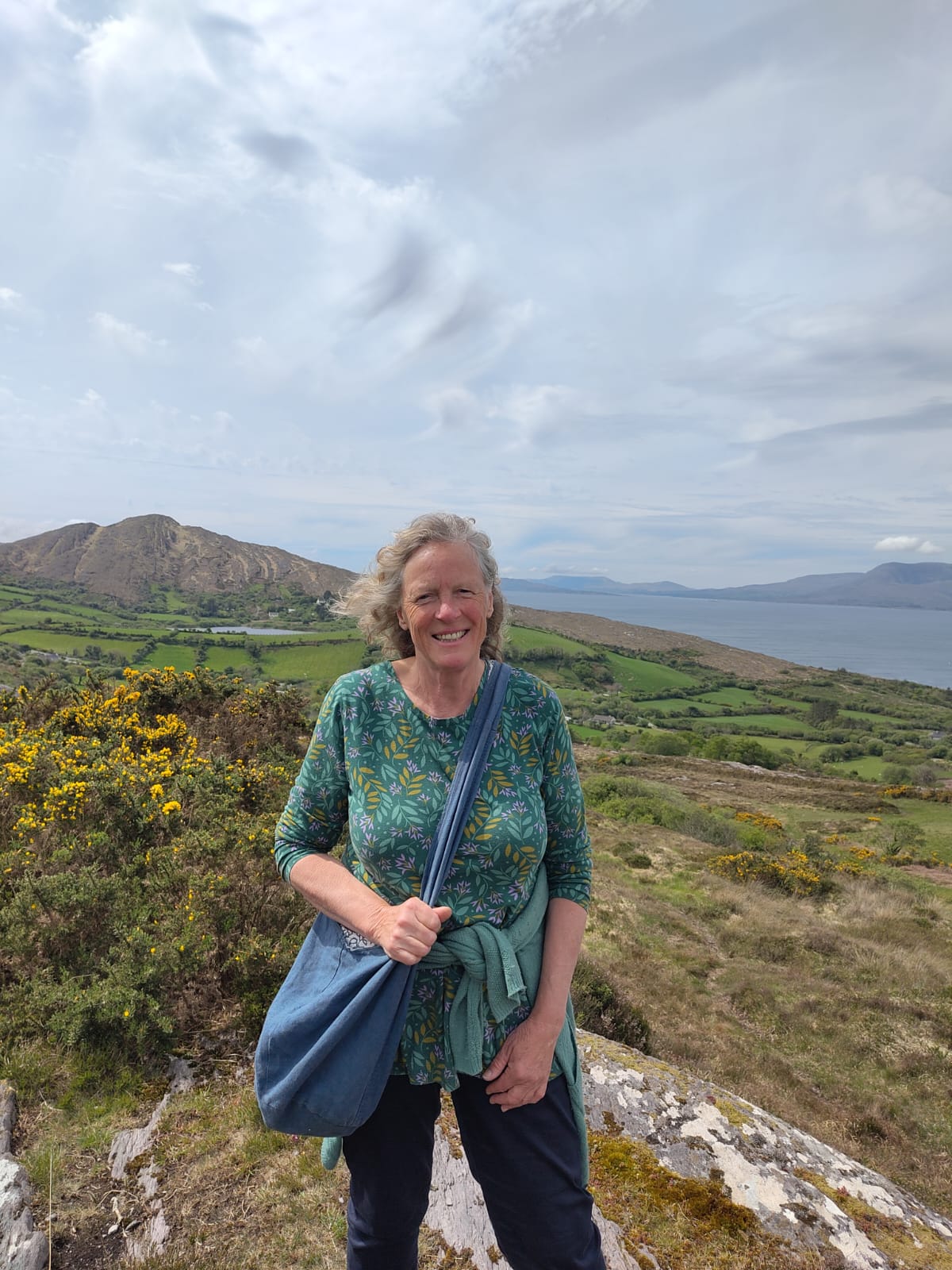
For 32 years, Lisa Scariff has been cultivating and stewarding this overgrown patch of land back towards life.
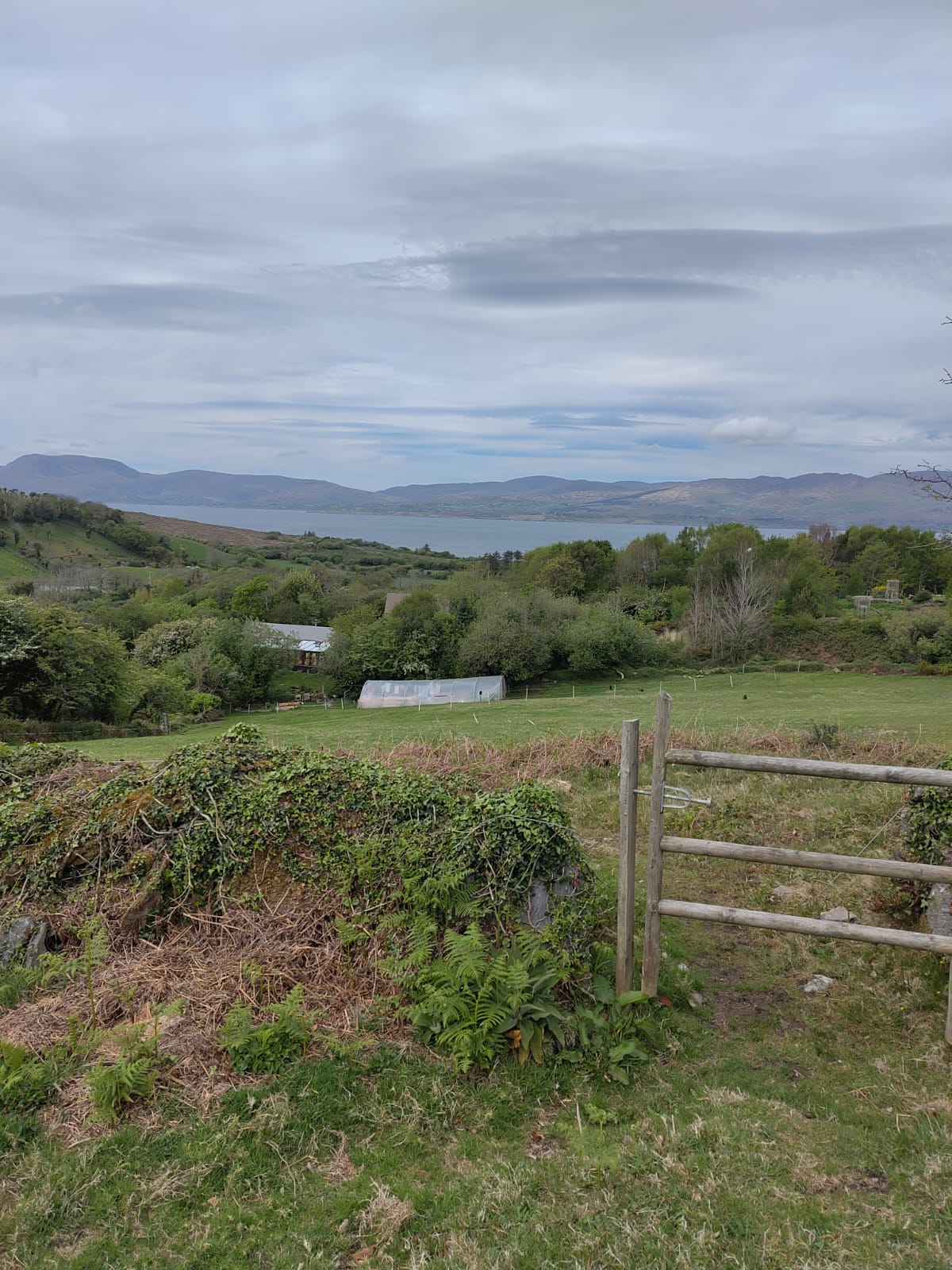
Challenging Beginnings - It's hard to imagine now but initially, conditions at this stunning site overlooking Bantry Bay were challenging. When she first arrived, there were no buildings and the land was heavily overrun with ragwort, bramble, bracken and gorse that was eight-feet high.
Working the Land - Lisa experimented with a variety of ventures including raising Kerry and Highland cows at different points. But she primarily focused on supplying vegetables to a country market and she operated a health food shop until retiring in 2022.
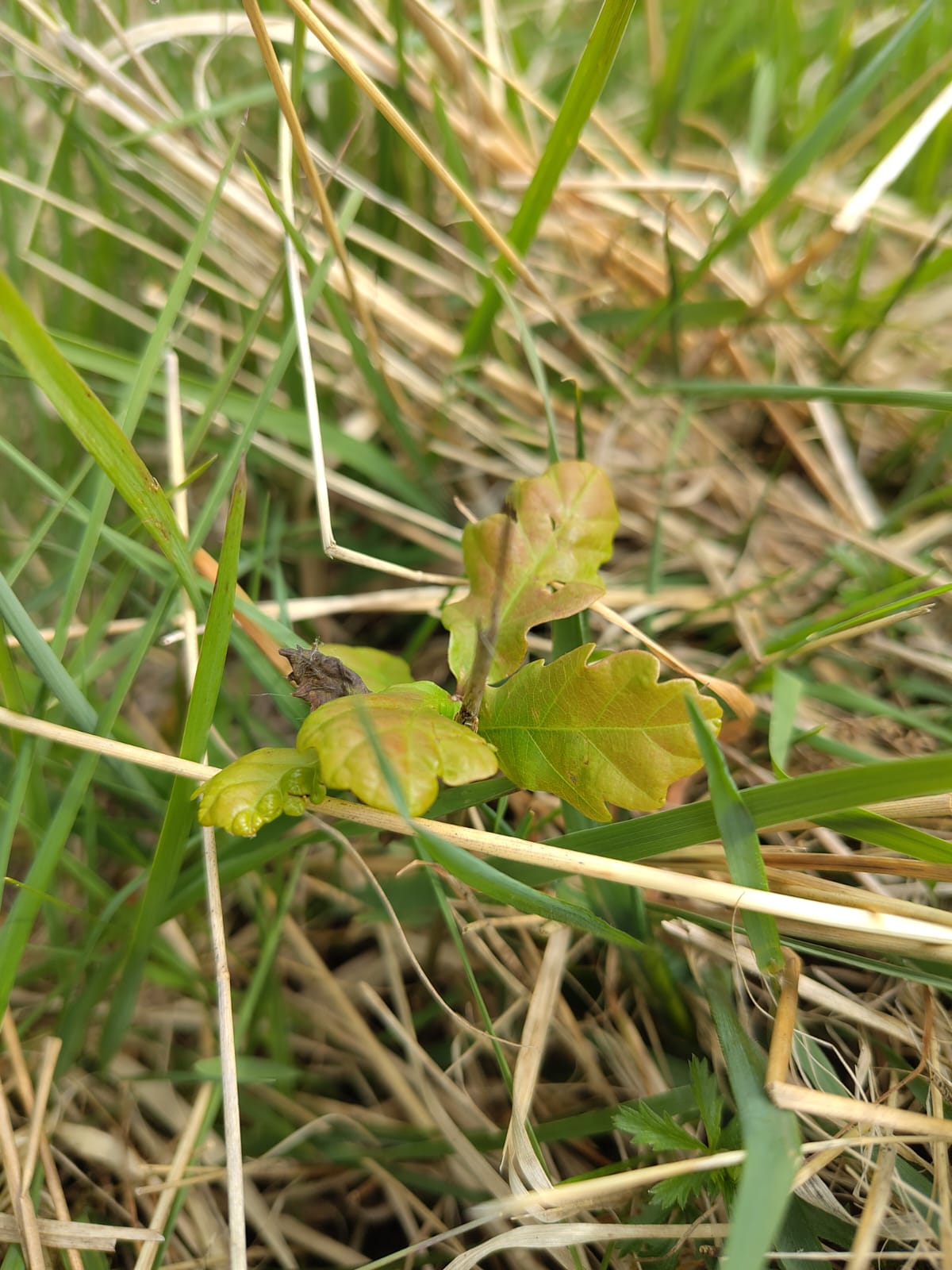
Nature is the priority - Her goals for the land were to enhance biodiversity on the land through thoughtful management and conservation practices. Through elbow grease and strategic grazing methods, native grasses and wildflowers have returned to Lisa's paddocks. She has planted countless trees and has taken great pleasure in seeing some of her oaks now 20 feet high. These oaks are now actively regenerating themselves through the activities of the helpful Jay.
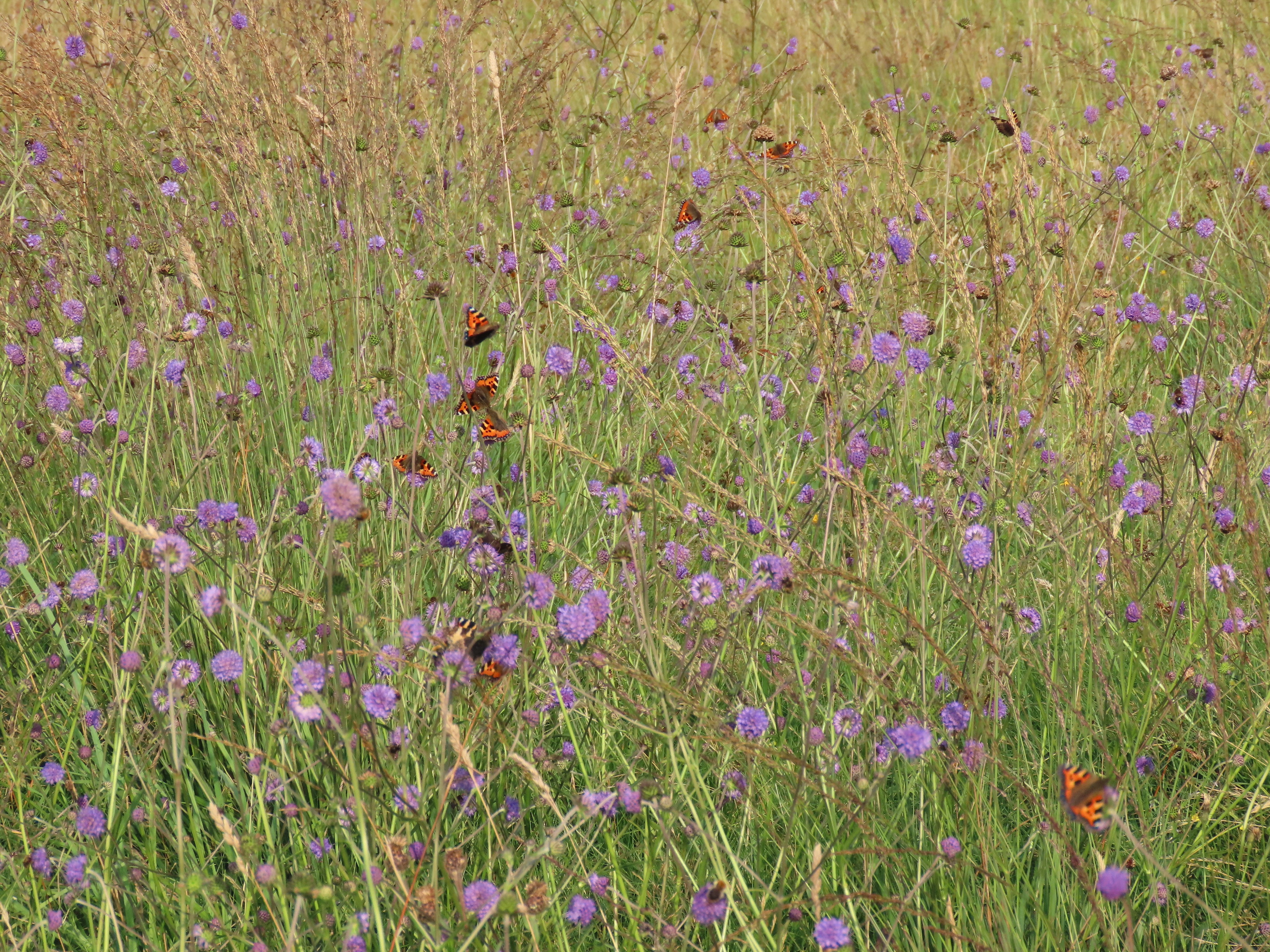
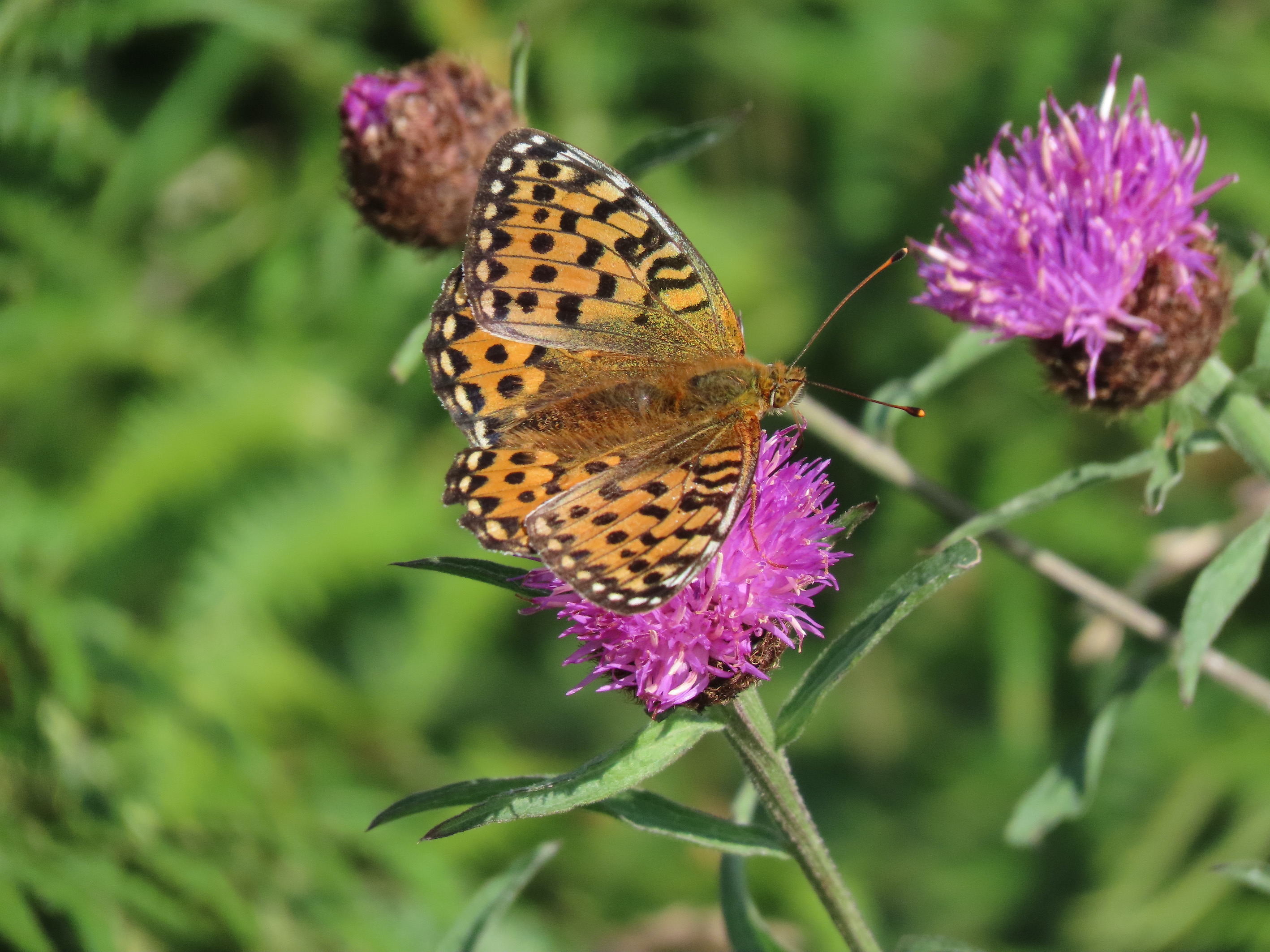
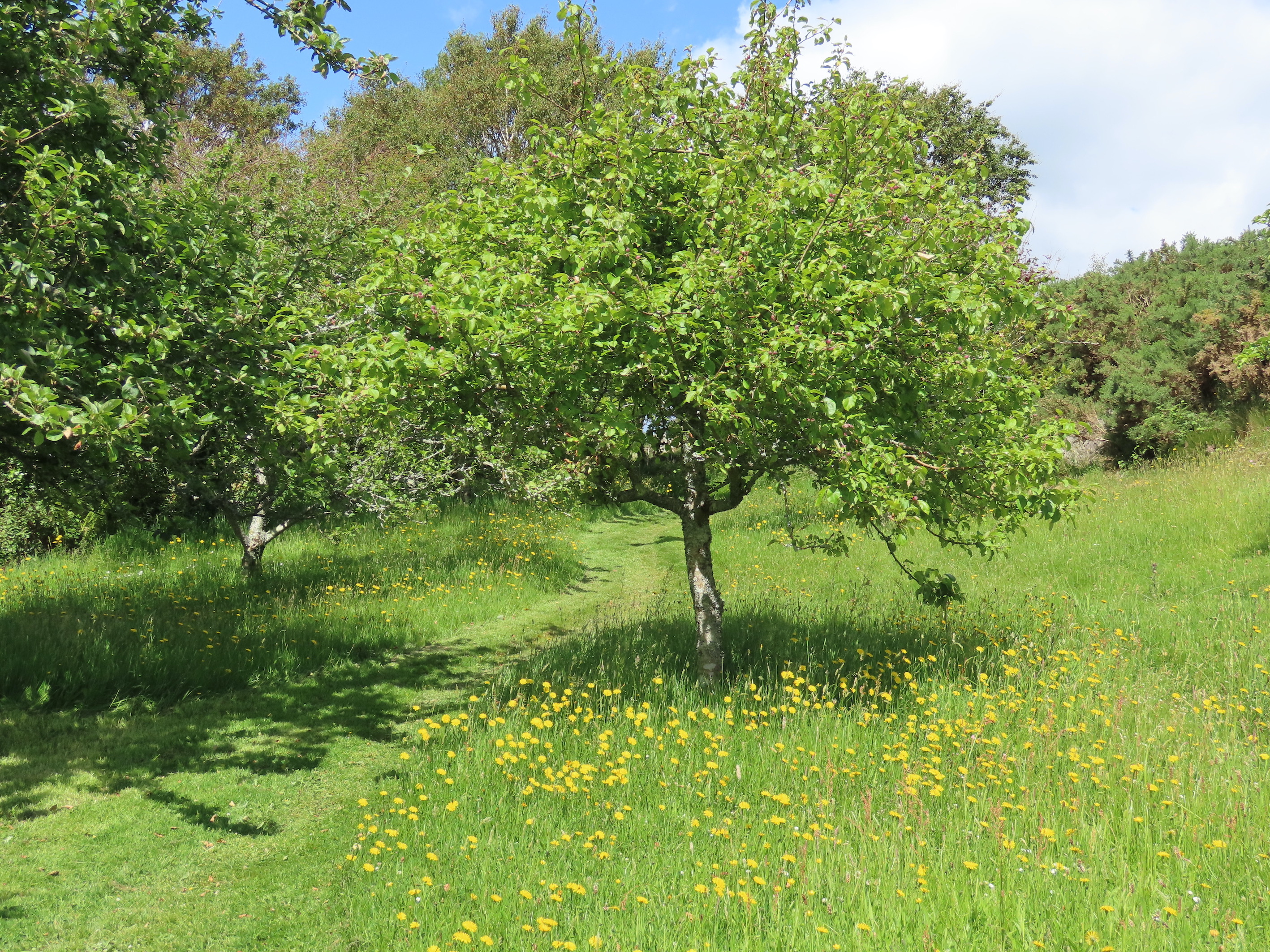
Diversity - Lisa has encouraged a diverse ecosystem with meadows, woodlands in various stages of growth, thickets, a small orchard and a vegetable garden. Her efforts have been rewarded by the return of of an extensive variety of species of butterflies, choughs, and jays who are now planting acorns throughout the property. This burst of life returning to the farm has helped her develop a keen appreciation of the entire lifecycle, recognizing the importance of not just butterflies but also their caterpillar counterparts.
Lisa's land showcases what can be achieved through perseverance and a love for nature. Her journey serves as an inspiring model for other smallholders who want to do their bit for nature and wildlife.
Nominator: Madeline McKeever, Farming for Nature Ambassador
Nomination: Lisa moved from rural West Dorset to West Cork in 1993 and bought 25 acres of hillside on the Sheep’s Head Peninsula. The land was comprised of several small meadows, and a rocky hillside with gorse bracken and brambles.
Her plan was to sell any surplus food from the garden at the local country market while increasing the biodiversity of the land by managing the meadows to encourage native grasses and flowers, to establish woodlands by making clearings in the thicket and planting native trees, to plant fruit trees for a small orchard and dig a few ponds for wildlife. I have been visiting this farm over the last 30 years or so and I have seen how all this has been achieved by Lisa while she running a small business and bringing up her two daughters.
The land is very exposed and the terrain is challenging with its shallow, impoverished soils. But it didn’t stop her establishing pockets of woodland nurturing each tree with mulch and manure until established. In the last five years or so Jays have appeared in the woods and this has coincided with oak seedlings appearing everywhere.
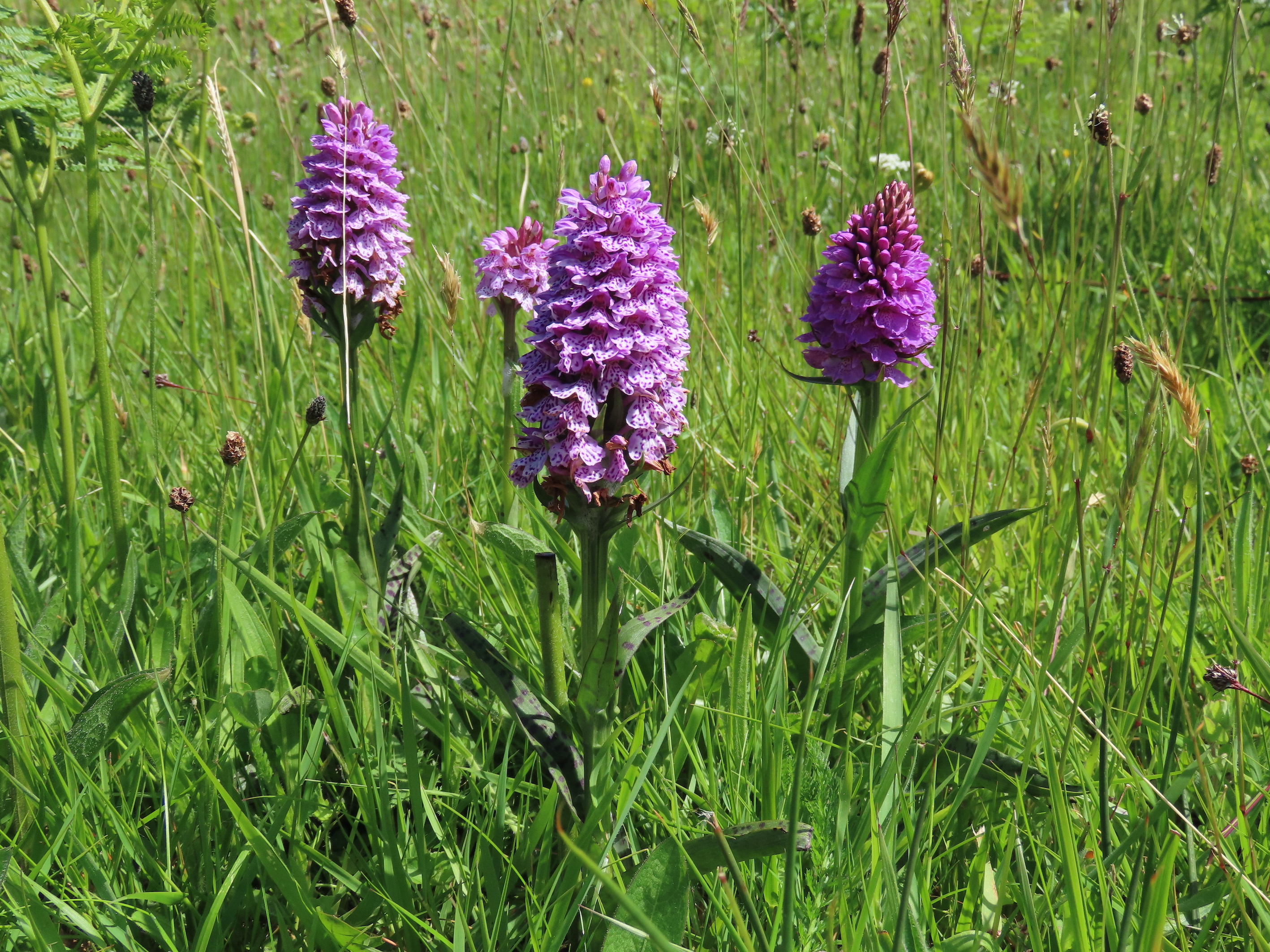
Fortunately the small meadows on the land have never had any artificial fertiliser added or been reseeded, although they had been overgrazed and badly poached. Her management plan for the meadows is to graze them from the end of September to the following March, with two Shetland ponies. From April they go onto the hill, and the meadows are left to flower. Some years small crop of hay is cut in late July but not recently, due to the lack of availability of a small bailer. We have recorded the wild flowers that appear in the meadows over the years.
From the first week in April for twenty six consecutive weeks Lisa walks a specified route around the land and records the butterflies she sees on that day. These records are submitted to the National Biodiversity Data Centre. Of the thirty five species of butterflies found in Ireland she has seen twenty one of them on the land. Recently she has started recording moths as well both day and night flying, the latter are caught in a moth trap set up in the different habitats, woodlands, meadow and so on.
She retired retired from her business in 2023 and now appreciates having more time to spend on the land. Looking forward she would like to extend her recording to all flora and fauna, and keep an ongoing data base. She would like to be able to take small cuts of hay from the meadows after the spring and summer flowers have set seed and before the later plants like Yarrow, Scabious and Common Knapweed come into flower and would like to continue to expand the woodlands and dig an another pond. She is part of a nature restoration group locally and hopes to inspire and also learn from others who share a love of nature.