Farming for Nature is delighted to welcome Limerick farmer John Liston to the Ambassador Network.
In the heart of Croom, Co. Limerick, John Liston is quietly proving that resilience, sustainability and tradition can go hand in hand. Farming 80 hectares, John represents the sixth generation of his family to work this land—continuing a legacy that stretches back to the 1700s while embracing a forward-thinking approach to modern agriculture.
Having farmed since the late 1970s, John initially ran a dairy enterprise before making the transition to suckler farming in recent years. Today, his organic beef system is built around a herd of 60 Aberdeen Angus cows, all reared entirely off grass. Operating organically since 2002, John has long championed low-input farming, focusing on building a system that is both environmentally and economically resilient.
His approach is simple yet effective: minimise reliance on external feed and fertiliser, maximise grass utilisation, and keep cattle outdoors for longer periods. This flexibility not only reduces costs but strengthens the overall sustainability of the farm. Consistently producing high-quality silage each year, John demonstrates that traditional beef systems can remain productive without heavy inputs.
Environmental stewardship has always been central to John’s philosophy. Over the years, he has planted trees, established hedgerows, and created dedicated “hare’s corners” to support and encourage biodiversity on the land. His farm is a living example of how thoughtful management can enhance habitats while maintaining productivity.
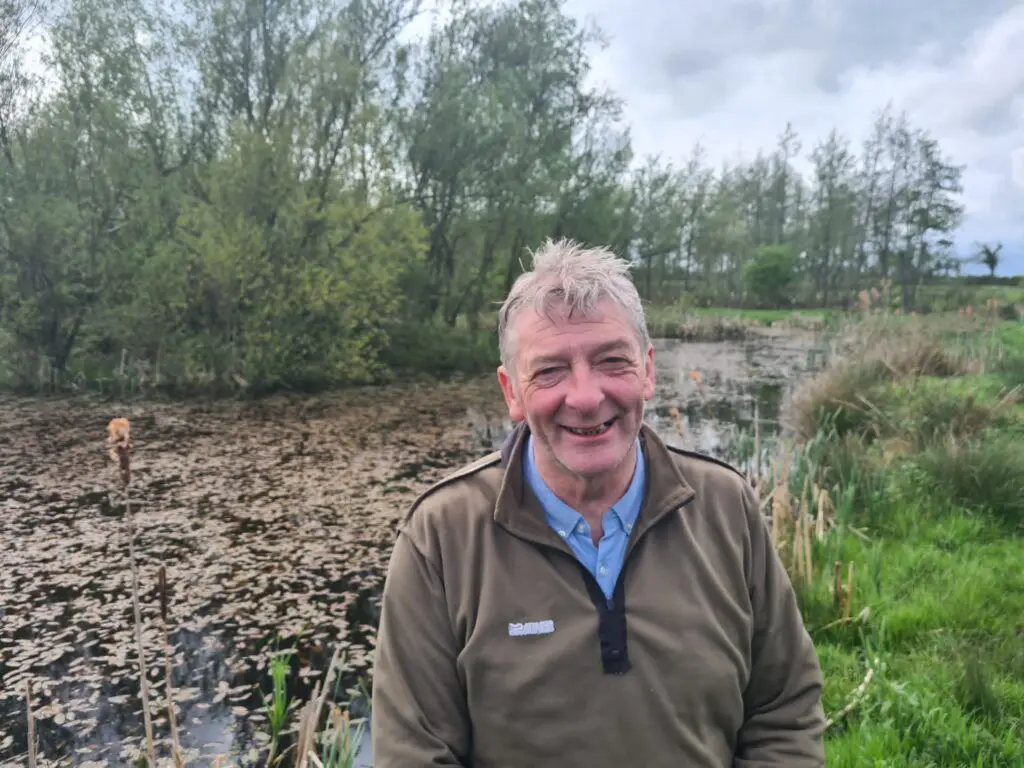
One standout feature is a pond he developed over 20 years ago in a previously wet corner of the farm. Originally designed to filter runoff from the yard, it has since become a thriving ecosystem, attracting a wide range of insects, birds, and mammals. John is a strong advocate for such projects, describing wetlands as “a quick, easy win for nature.” His work doesn’t stop there. By installing weirs in farm drains during the summer months, he helps retain water across the land, supporting wildlife during dry spells without compromising drainage.
Innovation also plays a role in John’s system. Following ash dieback, he resourcefully chipped one acre of affected trees for use as cattle bedding, later returning it to the land—creating a practical, closed-loop system. Meanwhile, his four-acre ash plantation is now being considered for reconstitution, with plans underway to apply for an agroforestry scheme that will introduce a diverse mix of species.
Supplying produce to the Urban Co-op in Limerick City, John’s farm connects directly with consumers who value sustainably produced, locally sourced food.
John Liston’s story is one of balance—honouring tradition while embracing change. His work highlights how Irish farms can remain viable, productive and environmentally responsible all at once. In doing so, he continues to inspire a new generation of farmers to see sustainability not as a challenge, but as an opportunity.
Event details:
FFN will host an online Ask the Farmer Q&A with John on Tuesday 21st April at 8pm. This is a free event and anyone interested in farming, food and nature is encouraged to join.
Ask the Farmer Online Q&A – Tuesday April 21st at 8pm
“Increasing the resilience of my farm” – Register here.
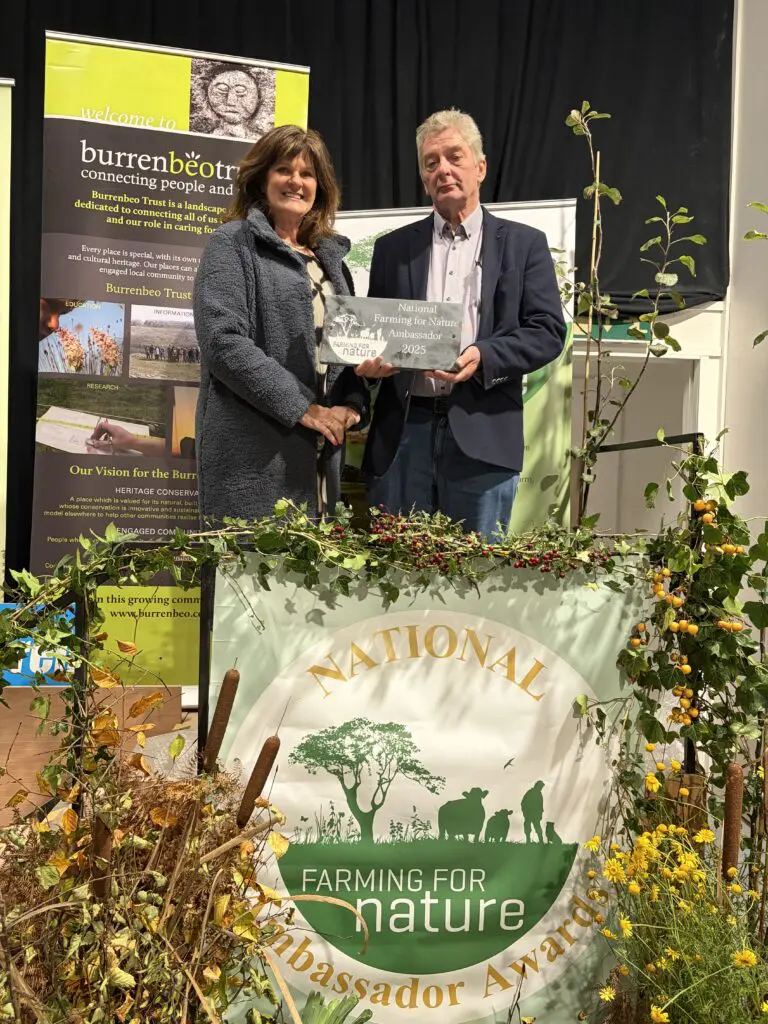
The Farming for Nature Ambassador Awards are supported by the Department of Agriculture, Food and the Marine and the National Parks and Wildlife Service.