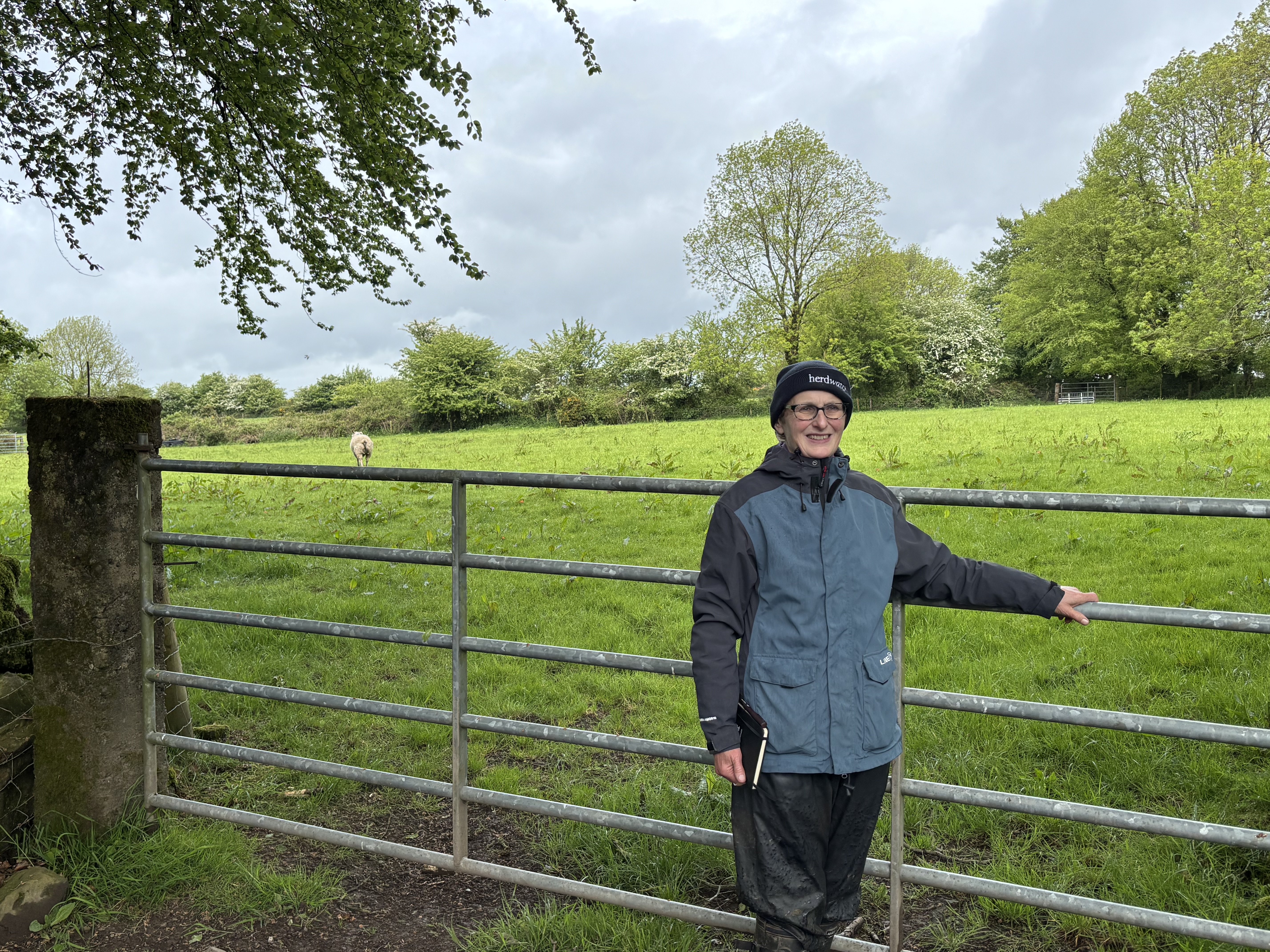
Kay O’Sullivan
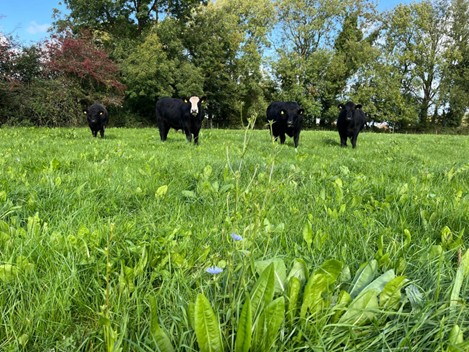
Kay O’Sullivan farms 63 hectares in Mourne Abbey, Co. Cork, where she has been operating an organic mixed-farm system for the past 16 years. The farm has been in her family for five generations. The core enterprises are organic beef and sheep, with approximately 30 suckler cows and 30 ewes. Kay has worked incredibly hard to build a profitable farm that is largely self-sufficient and supplies finished stock to the organic market.
The farming system centres on low-input, grass-based production with no purchased feed or fertilizer used on the farm. Multi-species swards, red clover silage and forage crops underpin livestock performance - "The plan on my farm is to maintain lower costs by utilising multispecies swards to their full efficiency." Soil fertility is maintained through careful slurry application, composted farmyard manure and careful pH management.
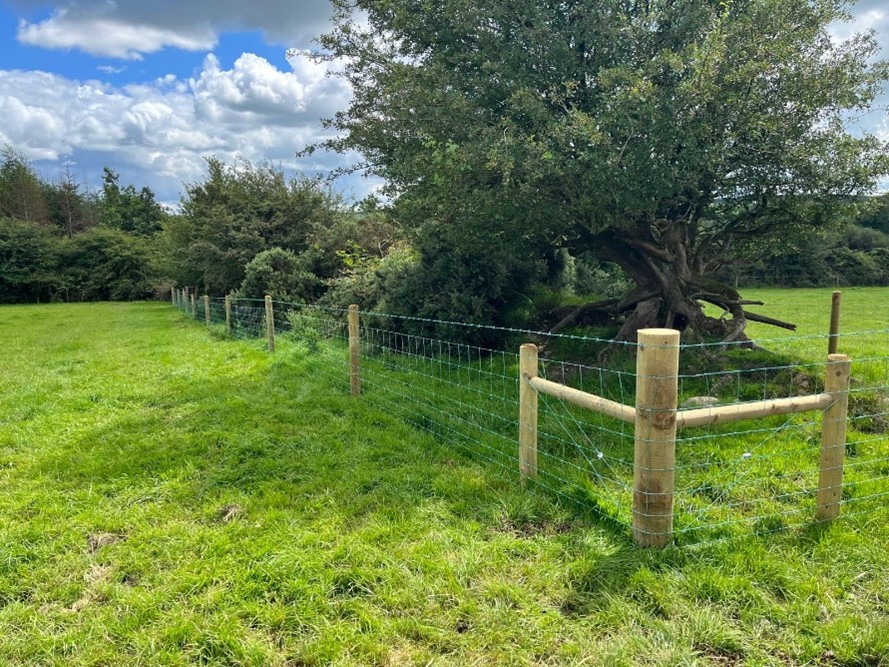
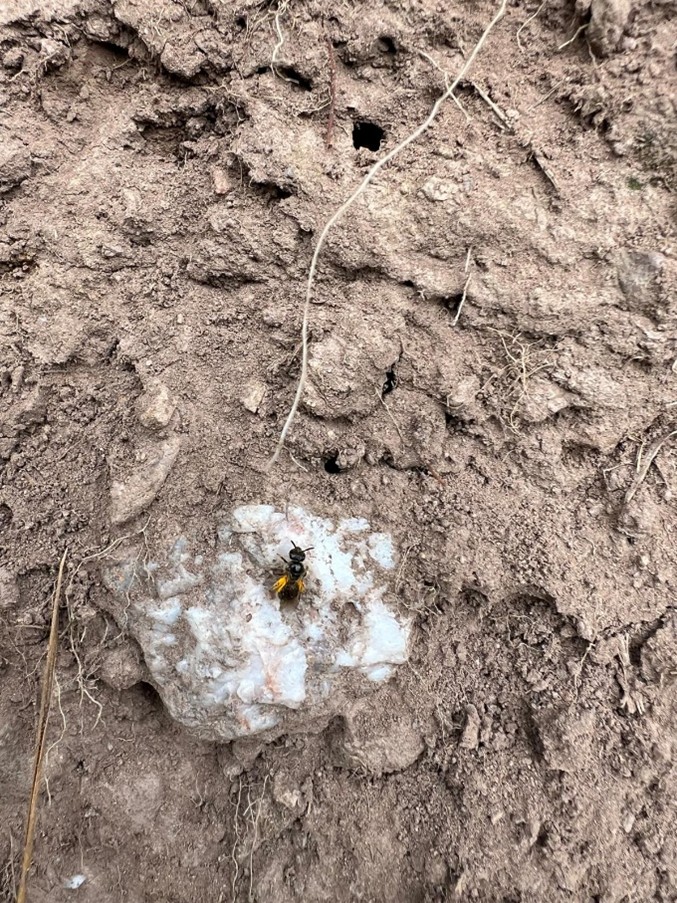
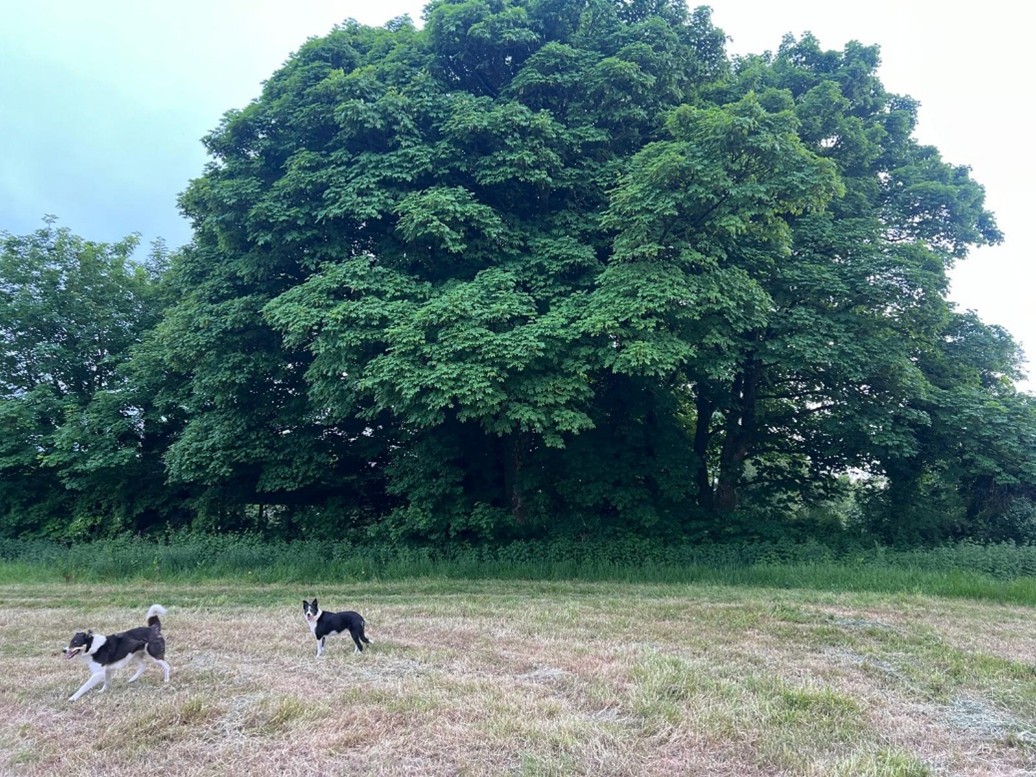
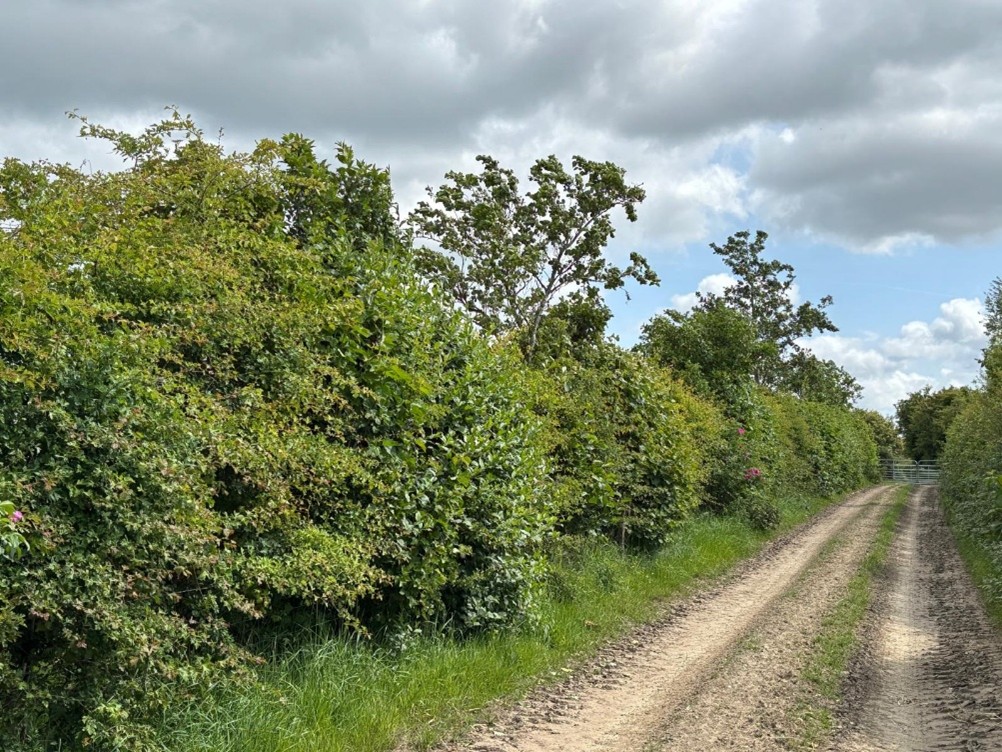
Kay has incorporated numerous actions to support nature and wildlife on her farm. These include side-trimming hedgerows on a rotation, leaving grass margins around fields and trees, providing bat, bird and owl boxes, and retaining forestry areas with minimal disturbance. Pollinator monitoring has recorded strong bee diversity, including vulnerable species like the groove-faced mining bee and the small flecked mining bee. Moth monitoring and surveys have documented significant moth populations. Water protection measures — such as buffer zones, willow beds and silt traps — are currently being implemented on the farm.
Kay is a big believer in peer-to-peer learning and she gives her time and expertise generously to the farming community - "Everyday is a learning day, and the day you're not learning and picking up new idea's from someone else's farm, there is something wrong..."
Nomination (Aisling Molloy, Teagasc):
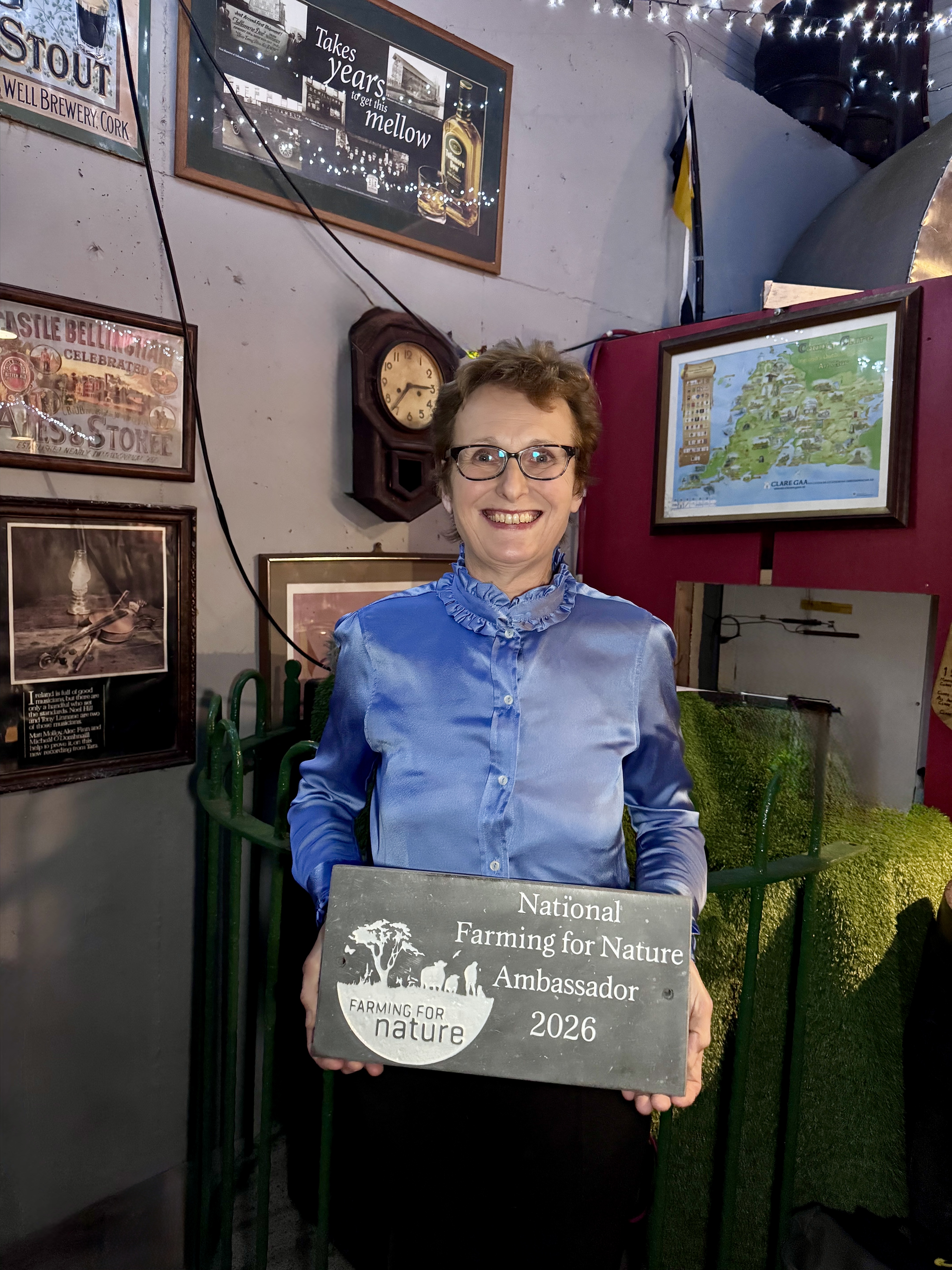
I have no hesitation in nominating Kay O’Sullivan from Mourneabbey, Co. Cork for the Farming for Nature Ambassador programme. Kay exemplifies what it means to farm with nature at the heart of every decision, combining biodiversity stewardship with commercially viable enterprises in beef, sheep and forestry production.
Kay manages a 62ha mixed organic farm where environmental care is not an add-on but a core part of the business. Her beef and sheep enterprises are run on low-input, high-welfare principles, with a rotational grazing system. Kay has introduced multi species leys and red clover silage swards which improve soil nitrogen and provide forage diversity, boosting both livestock performance and habitat value for pollinators. She participated in the GroundTruth project to learn more about monitoring soil health on the farm.
On Kay’s land, wildlife is welcomed, not managed out. She has created and maintained extensive field margins, wildlife corridors, bee scrapes and riparian buffer zones that support bees, butterflies, and birdlife. She has voluntarily participated in the Irish Pollinator Monitoring Scheme since 2022 which has identified pollinators, their habitats and the most visited plants on the farm. Some of these pollinators include the small flecked mining bee and the groove-faced mining bee which are classified as ‘vulnerable’ pollinators, and the painted mining bee which is ‘near threatened’.
Kay has also planted forestry using oak, alder, sitka spruce and pine; linking fragmented habitats and creating long-term carbon stores. These woodlands are carefully sited to provide shelter belts for livestock, reduce wind erosion, and enhance the visual landscape. She also has plans to incorporate a willow bed with silt traps through the Farming for Water EIP.
Sustainable beef production is the main enterprise on Kay’s farm, of which age at finish and calving at 24 months are a key component. In 2025 she finished steers with no ration at 18.8 months of age, 291kg carcass weight and grading O+4-. They averaged 0.92 kg/day over their lifetime which is in the top 5% when ranked against national average figures of 0.75 kg/day. Kay calved 100% of her heifers (5) at 24 months in 2025, which is well ahead of the national average at only 19%. This is all achieved at low costs to achieve a healthy net margin of €434/ha excluding all direct payments, and a low carbon footprint of 9.76 t CO2 per kg beef produced in 2024 (2025 figures in progress).
Kay actively shares her knowledge with other farmers, hosting visits, participating in local discussion groups, hosting environmental courses and through regular farm updates as part of the Teagasc Future Beef Programme. Her farm is a living demonstration of how profitable beef and sheep systems can work in harmony with flourishing nature, and this has been already recognised in her Teagasc FBD Environmental Sustainability Award in the Organic Category.
For her practical leadership, measurable environmental outcomes, and community engagement, Kay O’Sullivan is a worthy Farming for Nature Ambassador.